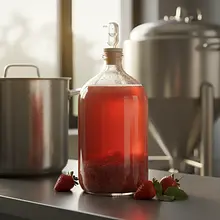
Homemade Strawberry Wine 'Forest Glade'

Drinks Dishes for Special Occasions 180 min Medium 2 wyświetleń ~99.90 PLN - (0)
Rate:
(0)
Start Cooking

Description

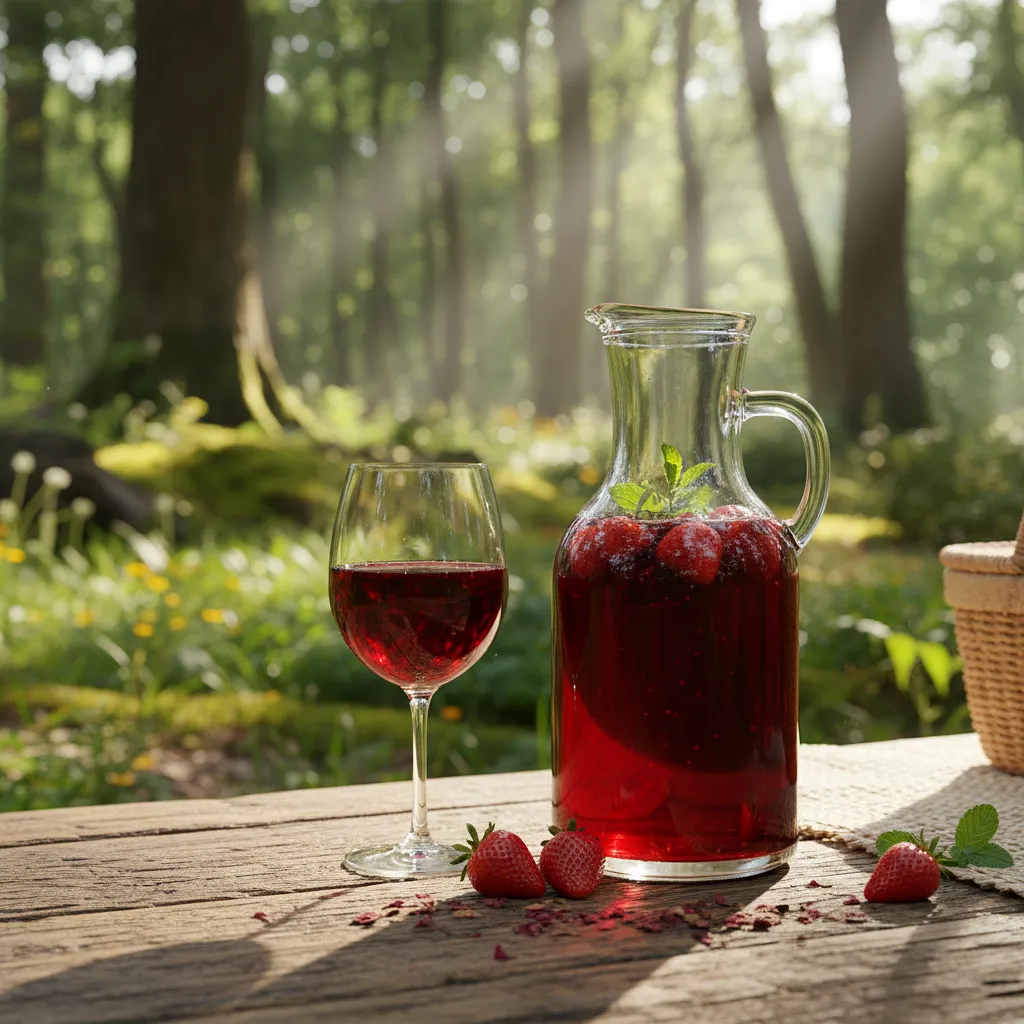
Forget about store-bought drinks and discover the magic of making your own wine! 'Forest Glade' is a recipe for velvety, semi-sweet strawberry wine that delights with its deep ruby color and intense aroma of sun-ripened fruits. The process of making wine at home is not only a satisfying hobby but also a return to tradition and nature. This recipe will guide you step by step through the entire process, from selecting the best strawberries, through the secrets of fermentation, to bottling your first homemade masterpiece. The wine features a rich, fruity bouquet with a subtle hint of vanilla that adds elegance. It has a balanced taste, with a pleasant sweetness complemented by delicate acidity. It is perfect as an aperitif on summer evenings, an accompaniment to fruit-based desserts and white chocolate, as well as a partner for a platter of light cheeses. Creating it is easier than you think, and the final result will surely reward your patience.

Ingredients (8)

Servings:
30
  • Fresh strawberries 2000 g
  • White sugar 1500 g
  • Water 3000 ml
  • Wine yeast 7 g
  • Yeast nutrient 5 g
  • citric acid 2 łyżeczki
  • ✨ Opcjonalne
  • Vanilla bean 1 szt.
  • Potassium metabisulfite 5 g
💰 Szacowany koszt dania: ~99.90 PLN (3.33 PLN/porcję)

💡 Kliknij na składnik aby oznaczyć jako użyty

Preparation steps

Disinfection of equipment

1

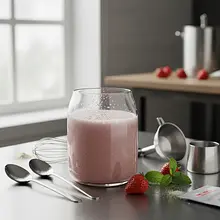
This is absolutely the most important step! Any 'wild' bacteria or mold can spoil the entire batch of wine. Thoroughly wash all equipment (carboy, stopper, fermentation tube, stirrer, funnel) in hot water with dish soap. Then rinse everything very thoroughly several times with hot water to ensure no detergent residues remain. Finally, prepare a disinfecting solution: dissolve 2g of potassium metabisulfite in 1 liter of cold water. Pour the solution into the carboy, cap it, and shake vigorously for a minute to ensure the liquid reaches every wall. Pour out the solution and rinse the carboy TWICE with cold, boiled water. Submerge smaller accessories in the solution for 5 minutes, then rinse.

Ingredients: Potassium metabisulfite
Essential equipment: a glass balloon (carboy) with a capacity of 5-10 liters, a stopper with a hole, a fermentation tube, a long stirrer, a funnel. An alternative to potassium metabisulfite is to sterilize everything with boiling water, but this is less effective and risky in the case of glass. Always work on clean surfaces and with clean hands.
Preparation of the yeast starter

2

You need to 'wake up' the yeast before adding it to the mixture. Pour 100 ml of boiled and cooled water at a temperature of 25-30°C into a clean glass or small jar. Add a teaspoon of sugar (about 5g) and mix well until it dissolves. Sprinkle in the contents of the yeast and nutrient sachet. Gently stir and cover the jar with cheesecloth or a piece of paper towel. Set it in a warm place (e.g., near a radiator) for about 20-30 minutes. After this time, a foam should appear on the surface - this is a sign that the yeast is alive and ready to work.

Ingredients: Wine yeast, Yeast nutrient, White sugar, Water
Use a kitchen thermometer to check the water temperature. Water that is too hot (above 40°C) will kill the yeast! If there is no foam after 30 minutes, the yeast is likely old. You should use a new batch.

Preparation of the starter

3

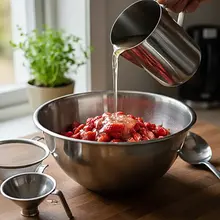
Wash the strawberries thoroughly under running water, then remove the stems. Discard any fruits that are bruised or moldy. Transfer the clean fruits to a large, sterilized fermentation bucket or a stainless steel pot. Mash them very thoroughly using a potato masher or clean hands. The goal is to break them down and release as much juice as possible. Do not use a blender - crushed seeds can give the wine a bitter taste.

Ingredients: Fresh strawberries
Use a fermentation bucket made of food-safe plastic. It is lighter and safer than glass at this stage. The more thoroughly you crush the fruits, the more flavor and aroma they will release into the wine.

Preparing the sugar syrup

4

In a large pot, bring 2 liters of water to a boil. Remove the pot from the heat. Add 1 kg of sugar (leave the remaining 0.5 kg for later) and citric acid. Stir vigorously with a whisk or spoon until all the sugar and citric acid are completely dissolved. Set the syrup aside to cool completely - it must reach room temperature (below 30°C) before you combine it with the fruits and yeast.

Ingredients: White sugar, Water, citric acid
Never pour hot syrup over fruits or yeast! High temperatures will destroy the enzymes in the fruits and kill the yeast. Patience is key.

Active fermentation

5

Pour the cooled sugar syrup into the crushed strawberries along with the previously prepared, foamed yeast starter. Add the remaining liter of boiled, cold water. If you are using a vanilla pod, cut it in half lengthwise and scrape the seeds into the mixture, also adding the empty pod inside. Mix everything very thoroughly for 2-3 minutes using a long, sterilized stirrer. Carefully pour everything into a glass carboy using a funnel. The carboy should be filled to a maximum of 3/4 of its volume so that the foam produced during fermentation does not overflow. Close the carboy with a stopper and a fermentation tube, into which pour a little water (up to the marked level).

Ingredients: Fresh strawberries, White sugar, Water, Wine yeast, Yeast nutrient, citric acid, Vanilla bean
Filling the fermentation tube with water creates a barrier that allows carbon dioxide to escape while preventing access to oxygen and fruit flies. Place the balloon in a warm spot (20-25°C), away from direct sunlight.

Active fermentation - observation

6

After 1-2 days, vigorous fermentation should begin. You will notice intense gas release (the characteristic 'bubbling' in the fermentation tube) as well as the fruits rising and forming foam on the surface. This stage will last about 5-7 days. Once a day, gently stir the contents of the balloon (making circular movements with the entire vessel) to prevent the formation of a dry 'skin' of fruit on the surface, which could lead to mold development.

Do not open the balloon unnecessarily! Mix by moving the entire container. If the foam rises too high, you can pour off a small amount of liquid. Bubbling can be very intense (even every few seconds) - that's a good sign!

Adding the second portion of sugar and secondary fermentation

7

After about 7 days, when the intense bubbling stops, add the second portion of sugar. In a small pot, heat 0.5 liters of young wine taken from the fermenter. Add the remaining 0.5 kg of sugar and stir over low heat until the sugar completely dissolves. Do not boil! Cool the syrup to room temperature and pour it back into the fermenter. Gently stir the mixture. Fermentation will briefly pick up again, and then enter a quiet phase that will last 2-4 weeks. Bubbling will become much less frequent (once a minute or less).

Ingredients: White sugar
Use a siphon to pour the wine from the carboy to avoid pulling in the sediment. Adding sugar in portions is better for the yeast and allows for a higher alcohol content.

First pour of wine

8

After about 4-6 weeks from the start, when bubbling in the fermentation tube has completely stopped and a thick layer of sediment from the fruit and dead yeast has settled at the bottom of the carboy, it's time for the first racking. Place the carboy with the wine on a table or chair, and set a clean, sanitized second carboy on the floor. Insert one end of the sanitized hose into the carboy with the wine, making sure it doesn't touch the bottom and draw in the sediment. Suck the wine (like siphoning fuel) and place the other end of the hose in the empty carboy. The wine will start to flow by gravity. Pour all the liquid, leaving the sediment at the bottom. Fill the new carboy to the top (leaving only a few cm of free space under the cork), seal it with a fermentation tube, and set it in a cool place (10-15°C) for further clarification.

This is a key moment for the clarity of the wine. Work carefully and slowly to avoid disturbing the sediment. If you don't have a second carboy, you can pour the wine into a large pot, wash the carboy, and pour the wine back, but this increases the risk of oxidation.

Clarifying and aging

9

Now begins the stage of patience. The wine will slowly clarify over the next 2-3 months. During this time, a small amount of fine sediment may settle at the bottom. If this happens, repeat the process of siphoning the wine off the sediment (step 8). The wine is ready for bottling when it is perfectly clear and no sediment is forming anymore.

Don't rush the bottling process. The longer the wine matures in the carboy, the fuller and more harmonious its flavor will be. A cool place, like a cellar, is ideal at this stage.

Bottling

10

Prepare clean, sterilized wine bottles and new, disinfected corks. Using the same hose as for siphoning, pour the clarified wine into the bottles, filling them almost to the top (leave about 2-3 cm of space from the cork). Cork the bottles using a hand corker. You can place labels on the bottles with the name of the wine and the production date. Store the bottles lying down in a cool, dark place for at least 3 months - during this time, the flavor of the wine will further develop and mellow. It will be best after about 6 months from bottling.

Ingredients: Potassium metabisulfite
Use a corking machine - pressing corks by hand is almost impossible and can damage the cork. The horizontal position ensures that the cork remains moist, which maintains the bottle's seal.

Fun Fact

💡

Fruit wine, unlike grape wine, has a very long tradition in Poland. In times when access to grapes was limited, our ancestors successfully created exquisite beverages from apples, currants, cherries, or wild rose. Each region had its specialties, and recipes were passed down from generation to generation.

Best for

Tips

🍽️ Serving

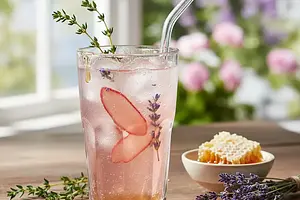
Serve the strawberry wine 'Leśna Polana' chilled to a temperature of 10-12°C. Use white wine glasses to help concentrate its fruity aroma. It pairs perfectly with cold cheesecake, panna cotta, vanilla ice cream, salad with goat cheese and strawberries, as well as a platter of mild blue cheeses.

🥡 Storage

Store wine bottles lying down in a cool (10-15°C) and dark place, such as a cellar or pantry. The horizontal position keeps the cork moist, preventing it from drying out and losing its seal. Properly stored strawberry wine will retain its qualities for 1-2 years.

📸 Ugotowane przez społeczność

Zaloguj się, aby dodać zdjęcie
Dodaj zdjęcie gotowej potrawy

Po zatwierdzeniu przez moderatora otrzymasz 10 punktów doświadczenia.

🍲

Nikt jeszcze nie dodał zdjęcia. Bądź pierwszy!

Comments (0)

Be the first to comment on this recipe!

Add a comment

You might also like

Recipe Categories

Drinks
Drinks in: New Year's Eve

Drinks for New Year's Eve should be diverse so that every guest can find something for themselves - from champagne to cocktails.

See all recipes in this category

Dishes for special occasions are culinary masterpieces for birthdays, anniversaries, and holidays. Grilled beef steak with herb butter - restaurant quality at home. Beef Wellington - beef in puff pastry with duxelles. Roast duck with apples - a holiday tradition in a new edition. Pink salmon with...

See all recipes in this category
Reklama