Spring Tulip Cake with Three Flavors

Cakes and Bakes Desserts Dishes for Special Occasions 240 min Medium 45 wyświetleń ~27.98 PLN - (0)
Rate:
(0)
Start Cooking

Description

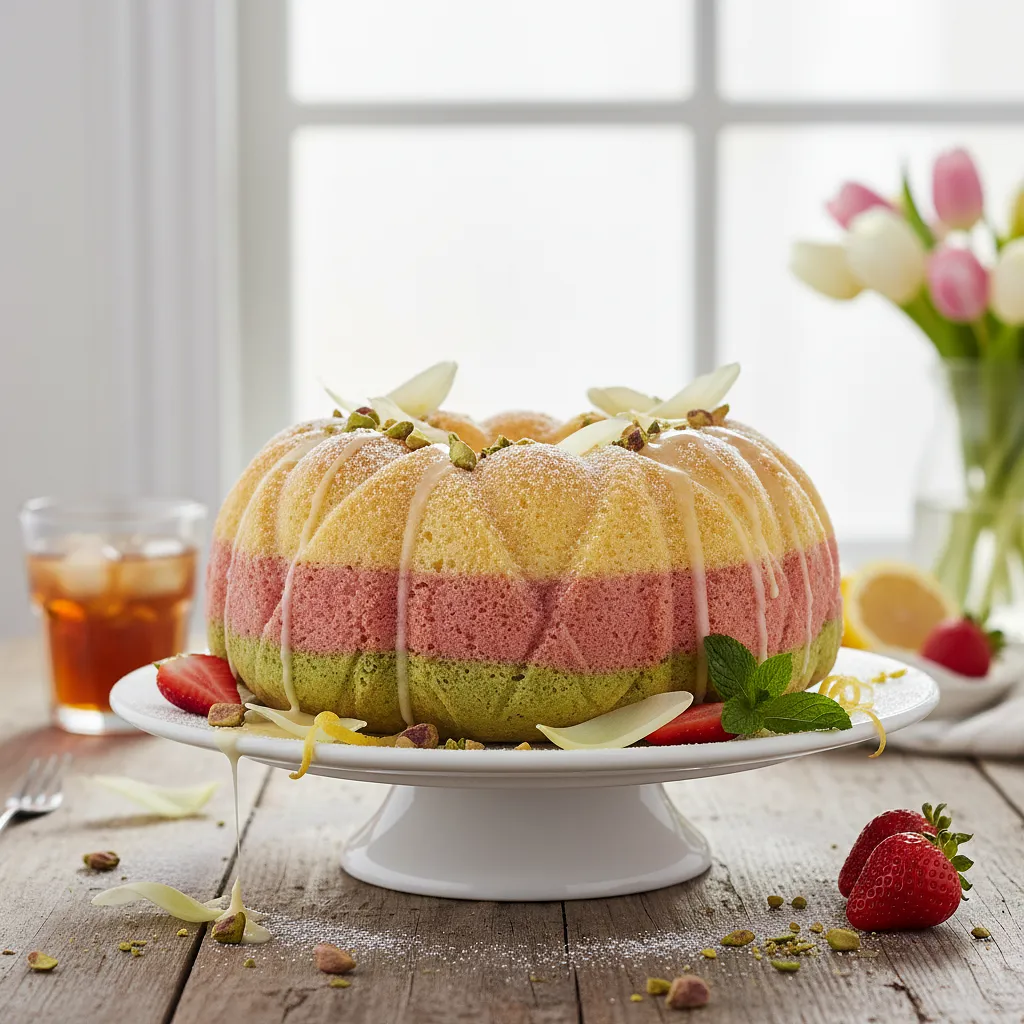
This unique yeast cake is a true decoration for the Easter table. Inspired by the shape and colors of a tulip, it hides a surprise – when sliced, it reveals a three-colored pattern resembling a flower. The base dough, fluffy and buttery, is enriched with a hint of lemon freshness. It is divided into three parts: natural vanilla, intensely strawberry (thanks to freeze-dried fruits), and aromatic, with the addition of ground pistachios. This combination of flavors is perfectly balanced – the sweetness of the strawberry is complemented by the delicate bitterness of the pistachio, and everything is tied together by the classic, buttery taste of a traditional cake. Drizzled with a simple lemon glaze and sprinkled with crunchy pistachios, it is not only delicious but also stunningly beautiful. An ideal choice for those who want to surprise their guests with something more than a classic baked good.

Ingredients (14)

Servings:
12
  • Wheat flour type 500 500 g
  • Fresh yeast 25 g
  • Milk 3.2% 200 ml
  • Cukier drobny 100 g
  • Chicken egg 2 szt.
  • Masło 82% 120 g
  • Freeze-dried strawberries 20 g
  • Unsalted, shelled pistachios 30 g
  • Powdered sugar 150 g
  • Lemon juice 30 ml
  • 🌿 Przyprawy
  • Salt 0.1 szczypt
  • Skórka otarta z cytryny 5 g
  • ✨ Opcjonalne
  • Vanilla extract 5 g
  • Chopped pistachios for decoration 1 łyżka
💰 Szacowany koszt dania: ~27.98 PLN (2.33 PLN/porcję)

💡 Kliknij na składnik aby oznaczyć jako użyty

Preparation steps

Preparation of Yeast Starter

1

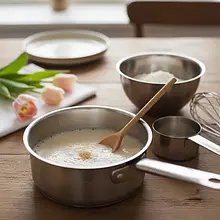
Start by activating the yeast. In a small saucepan, heat the milk to a temperature of about 37°C. It should feel pleasantly warm to the touch, like bath water for a baby, but not hot. Too high a temperature (above 45°C) will kill the yeast. In a large bowl (where you will knead the dough), crumble the fresh yeast. Add one tablespoon of sugar (from the measured portion of 100g), one tablespoon of flour (from the measured portion of 500g), and pour the warm milk over it all. Gently mix with a fork, just to combine the ingredients. Cover the bowl with a clean kitchen towel and set it in a warm, draft-free place for 10-15 minutes. After this time, a thick, bubbly foam, called a 'cap', should appear on the surface. This is a sign that the yeast is active and ready to work.
Ingredients: Fresh yeast, Milk 3.2%, Cukier drobny, Wheat flour type 500
The best place for the dough to rise is in a slightly warmed oven (turned off!) or near a radiator. If after 15 minutes no foam appears, it means the yeast is inactive. Unfortunately, you will need to start over with fresh yeast; otherwise, the cake will not rise.

Kneading the Basic Dough

2

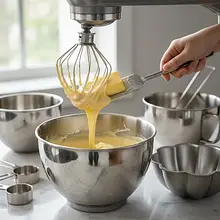
In the bowl with the active yeast mixture, add the remaining flour, the rest of the sugar, eggs (previously lightly beaten with a fork in a small bowl), salt, lemon zest, and optionally, vanilla extract. Start mixing the ingredients using a dough hook in a stand mixer on low speed, or manually with a wooden spoon. Mix for about 2-3 minutes, until the ingredients roughly combine into a sticky mass.

Ingredients: Wheat flour type 500, Cukier drobny, Chicken egg, Salt, Skórka otarta z cytryny, Vanilla extract
Make sure all ingredients, especially the eggs, are at room temperature. Taking them out of the fridge an hour before you start will greatly facilitate the process of combining the ingredients and the rising of the dough.
3

Now it's time to add the butter and knead properly. Increase the mixer speed to medium and add very soft butter, one tablespoon at a time, waiting for the previous portion to fully incorporate into the dough. Once all the butter is absorbed, knead the dough for about 10-12 minutes. The finished dough should be smooth, elastic, shiny, and pull away from the sides of the bowl. It will be slightly sticky but should not stick to a clean finger. If you are kneading by hand, transfer the dough to a lightly floured surface and knead vigorously for about 15-20 minutes until it reaches the desired consistency.

Ingredients: Masło 82%
This is the most important step! Properly kneading the dough is crucial for its fluffiness. Do not shorten this time. To check if the dough is ready, perform the 'windowpane test': take a small piece of dough and gently stretch it with your fingers. If it can be stretched into a thin, almost transparent membrane that does not tear, the dough is perfectly kneaded.
4

Form the dough into a ball, place it back in the bowl, cover it tightly with plastic wrap or a damp cloth, and set it in a warm place for about 1.5 hours. During this time, the dough should double in size. The rising time depends on the ambient temperature – in a cooler room, it may take longer.

To prevent the surface of the dough from drying out, you can gently brush the top of the ball with oil before covering the bowl. This will create a protective barrier.

Dividing and Coloring the Dough

5

Remove the risen dough onto a lightly floured surface and gently deflate it by punching it. Weigh the entire dough using a kitchen scale, then divide it into three equal parts. Set one part aside - this will be your base dough (vanilla/lemon).

Using a kitchen scale is very important to ensure that the portions of the batter are equal. This will provide a harmonious appearance to the pattern in the baked cake.
6

Prepare the strawberry dough. Grind the freeze-dried strawberries into a fine powder in a coffee grinder or blender. Flatten the second part of the dough on the countertop, sprinkle with the strawberry powder, and knead briefly, just until the color and flavor are evenly distributed. The dough will take on a beautiful pink color and an intense aroma.

Ingredients: Freeze-dried strawberries
Do not knead the dough too long at this stage to avoid excessively developing the gluten network. Just a minute or two is enough until the color is uniform.
7

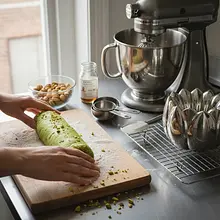
Prepare the pistachio dough. Grind the pistachios very finely into flour. Follow the same steps as with the strawberry dough: flatten one third of the dough, sprinkle with ground pistachios, and knead until the ingredients are combined. The dough will take on a delicate, greenish hue and a nutty aroma.

Ingredients: Unsalted, shelled pistachios
If you want to achieve more intense colors, you can add a bit of natural gel food coloring (red for strawberry cake and green for pistachio), but it is not necessary.

Shaping the 'Tulip' Bundt Cake

8

Prepare a bundt pan with a capacity of about 2 liters. Grease it very thoroughly with soft butter, paying special attention to all the nooks and crannies. Then dust the pan with breadcrumbs or flour, turning it so that the entire inner surface is covered with a thin layer. Shake out the excess.

Ingredients: Masło 82%
This step is absolutely crucial for the cake to come out of the pan easily after baking. Don't skip it! You can also use cooking spray for baking pans.
9

Start with the green (pistachio) dough. Shape it into a roll that matches the circumference of the bottom of the mold and place it at the bottom, around the chimney. This will be the 'stem' of the tulip. Next, from the pink (strawberry) dough, form 6-8 equal balls. Arrange them tightly next to each other on the green roll. These will be the 'petals' of the flower.

Try to make the balls of pink dough the same size and touch each other. This will make the pattern in the middle more compact and distinct.
10

Finally, take the light dough (vanilla-lemon). Roll it out slightly or flatten it with your hands into a disc, then gently cover the layer of pink balls with it, filling the rest of the mold. Try to press the light dough into the spaces between the balls so that the entire mold is evenly filled. The dough should reach about 2/3 of the height of the mold.

Do not fill the mold to the brim! The dough will rise while baking and could overflow. Leaving some space is very important.

Baking and Cooling

11

Cover the pan with a cloth and set aside for the second rising for about 30-40 minutes. During this time, the dough should noticeably rise and fill the pan almost to the brim. In the meantime, preheat the oven to 180°C (top and bottom heat, no fan).

The second rising is shorter, but equally important. Don't skip it, as the cake may become dense. Be careful not to let the dough sit too long, as it may overproof and collapse during baking.
12

Place the risen cake in the preheated oven. Bake for about 40-50 minutes. After 35 minutes, check the top of the cake – if it is browning too quickly, loosely cover it with a piece of aluminum foil. To check if the cake is done, insert a wooden skewer into the thickest part. If it comes out dry, with no traces of raw batter, the cake is ready.

Every oven bakes differently, so the given time is approximate. The most reliable method is the toothpick test. Remember not to open the oven for the first 25-30 minutes of baking to prevent the cake from sinking.
13

Remove the cake from the oven and leave it in the pan for 10 minutes to cool slightly. After this time, carefully turn the pan upside down over a wire rack. The cake should come out easily. Leave it on the rack to cool completely, which may take 1-2 hours. Do not decorate the hot cake, as the icing will run off.

Patience is key! Cooling on a rack ensures air circulation from all sides, so the bottom of the cake won't be soggy.

Icing and Decoration

14

When the cake is completely cool, prepare the icing. In a bowl, sift in the powdered sugar. Gradually, one teaspoon at a time, add freshly squeezed lemon juice, vigorously mixing with a whisk or fork. Add the juice until you achieve a thick, yet still pourable icing. The consistency should resemble thick cream.

Ingredients: Powdered sugar, Lemon juice
Always add the liquid to the powdered sugar, not the other way around. This gives you full control over the consistency. If the icing turns out too runny, add more powdered sugar. If it's too thick – a little more juice.
15

Place the cake on a serving platter or plate. Drizzle it with the prepared icing, allowing it to flow freely down the sides, creating appetizing icicles. Before the icing sets, sprinkle the top of the cake with chopped pistachios. Additionally, to enhance the color effect, you can dust it with freeze-dried strawberry powder. Set aside for about 15 minutes to let the icing harden.

Ingredients: Chopped pistachios for decoration
To avoid a mess, you can place the cake rack on parchment paper and only then glaze it. The excess glaze will drip onto the paper, not the countertop.

Fun Fact

💡

Babka as a yeast cake has been known in Poland since the 17th century. Its name comes from the shape that resembled a wide, pleated skirt worn by older women, known as 'babies'. Traditionally, it was a luxurious baked good, requiring a large amount of eggs and butter, which is why it graced tables mainly during the most important holidays, such as Easter.

Best for

Tips

🍽️ Serving

The cake is best cut with a sharp serrated knife to avoid crushing the fluffy crumb. Each piece will have a unique part of the colorful pattern. Serve it on an elegant platter accompanied by fresh flowers. It pairs perfectly with a cup of aromatic coffee, tea, or a glass of milk.

🥡 Storage

Store the cake at room temperature, covered with a dome or wrapped in plastic wrap, to prevent it from drying out. It will stay fresh for 3-4 days. Do not put it in the refrigerator, as the yeast dough will become stale there.

📸 Ugotowane przez społeczność

Zaloguj się, aby dodać zdjęcie
Dodaj zdjęcie gotowej potrawy

Po zatwierdzeniu przez moderatora otrzymasz 10 punktów doświadczenia.

🍲

Nikt jeszcze nie dodał zdjęcia. Bądź pierwszy!

Comments (0)

Be the first to comment on this recipe!

Add a comment

You might also like

Recipe Categories

Homemade cakes and pastries are the heart of Polish culinary tradition - sweet memories from childhood. In our collection, you will find recipes for classic yeast cakes, shortcrust, sponge, and cheesecake. Apple pie, poppy seed cake, gingerbread, Easter babka, chocolate cake, and New York cheesec...

See all recipes in this category
Desserts
Desserts in: Christmas Eve Dinner

Desserts are a sweet ending to a meal that brings joy to both children and adults. In this category, we present recipes for a variety of sweets - from simple creams and mousses, to elegant panna cottas, and exquisite fruit tarts. Our desserts include both classics of Polish cuisine - fruit jelly,...

See all recipes in this category

Dishes for special occasions are culinary masterpieces for birthdays, anniversaries, and holidays. Grilled beef steak with herb butter - restaurant quality at home. Beef Wellington - beef in puff pastry with duxelles. Roast duck with apples - a holiday tradition in a new edition. Pink salmon with...

See all recipes in this category
Reklama