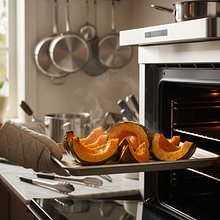
Preheat the oven to 200°C (fan) or 220°C (top and bottom). Thoroughly wash the pumpkin, then carefully cut it in half. Use a large, sharp spoon to scoop out the seeds and fibers. Place the pumpkin halves on a large baking sheet lined with parchment paper, skin side up. Put them in the preheated oven and bake for about 30-40 minutes. The pumpkin is ready when a fork easily pierces the flesh and the skin is slightly wrinkled.
Description
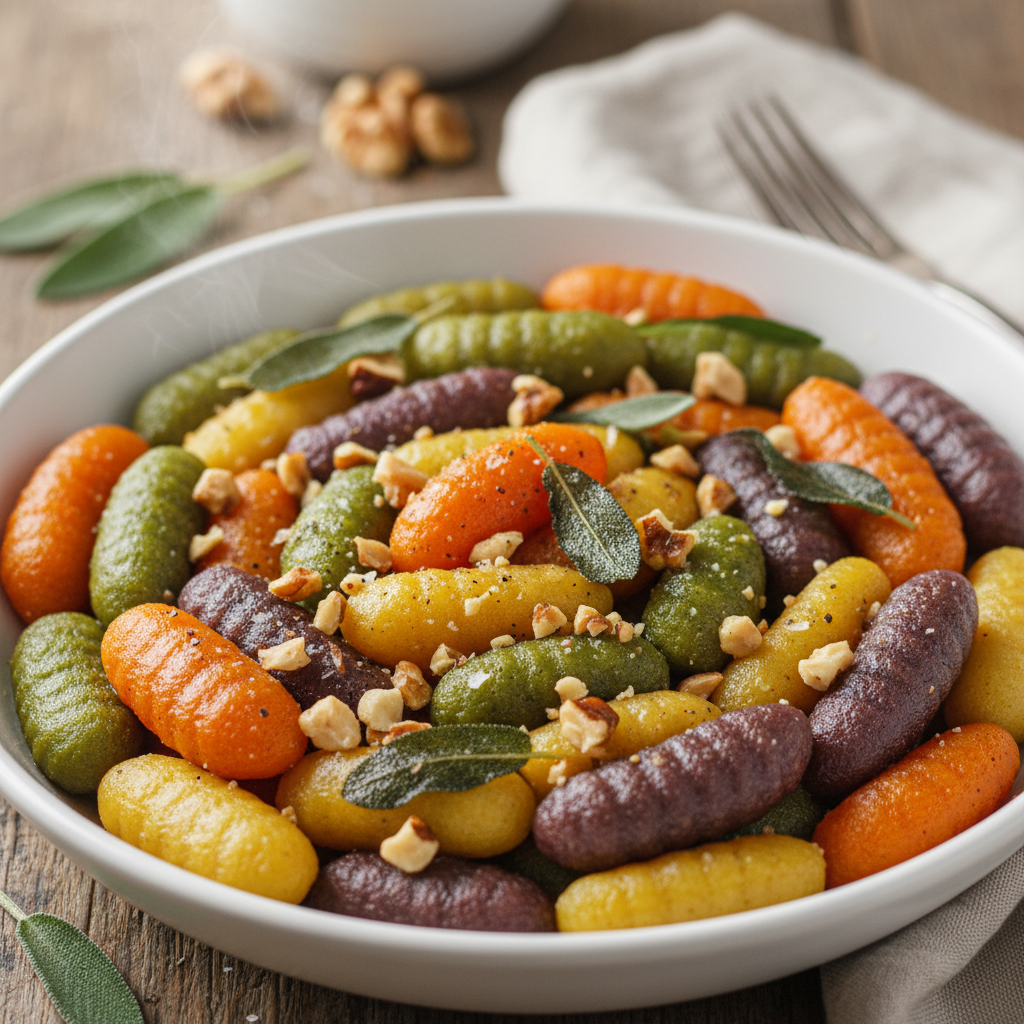
This dish is a culinary story and an invitation to a shared family fun in the kitchen, perfectly fitting the Slow Food philosophy. Rainbow pumpkin gnocchi is not only a delicious and healthy meal but, above all, a way to show children how magic is created on the plate from simple, natural ingredients. Sweet, velvety pumpkin forms the base for delicate, fluffy dumplings, and the addition of natural colorants – spinach and beet juice – turns cooking into an art lesson. Children will joyfully knead and shape the colorful dough. The whole dish is enveloped in an aromatic sauce of browned butter with crispy sage leaves, which adds depth and a nutty flavor to the dish. A sprinkle of toasted walnuts adds a pleasant crunch, while parmesan flakes balance the sweetness with umami flavor. This dish teaches patience, the celebration of meals, and shows that healthy eating can be an exciting adventure.
Ingredients (11)
- Hokkaido pumpkin 1000 g
- Type 00 wheat flour 250 g
- Egg 1 szt.
- Butter 80 g
- Fresh sage 0.5 pęczek
- Parmesan 40 g
- 🌿 Przyprawy
- Salt 0.2 szczypt
- Nutmeg 2 szczypty
- ✨ Opcjonalne
- Walnuts 50 g
- Spinach juice 15 ml
- Sok z buraka 15 ml
💡 Kliknij na składnik aby oznaczyć jako użyty
Preparation steps
Preparation of Pumpkin Purée
Remove the pumpkin from the oven and set it aside for about 15-20 minutes to cool slightly so that it can be safely handled. When the pumpkin is still warm but not hot, use a spoon to separate the flesh from the skin (the skin of hokkaido pumpkin is edible, but for purée, it's better to use just the flesh for a smoother consistency). Transfer the flesh to a bowl and mash it very thoroughly with a potato masher or blend it with an immersion blender until you have a smooth, uniform mixture. Set the purée aside to cool completely – this is very important, as hot purée will 'scald' the flour and the dough will be sticky.
Kneading Rainbow Dough for Gnocchi
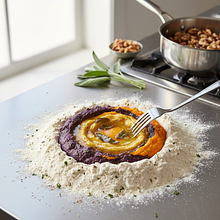
On a clean, dry surface or countertop, pile 200g of flour to form a mound. In the center of the mound, create a wide indentation with your fingers, resembling a volcano crater. Into this indentation, add the cooled pumpkin purée (about 450-500g), crack in an egg, add half a teaspoon of salt, and a pinch of freshly grated nutmeg.
Using a fork, start gently mixing the wet ingredients in the center of the 'volcano'. Gradually, in a circular motion, incorporate the flour from the inner walls into the center until a thick, sticky mass forms. Once most of the flour is combined with the ingredients, set the fork aside and begin kneading the dough with your hands.
Knead the dough for about 5-7 minutes, adding the remaining flour if necessary. Use the 'pushing and folding' technique: push the dough away from you with the heel of your hand, then fold it in half and turn it 90 degrees. Repeat this motion. The dough is ready when it is smooth, elastic, and only slightly sticky to the hands. It should be soft like the lobe of an ear. Shape it into a ball.
Divide the ball of dough into three equal parts. Set one part aside. To the second part, add a tablespoon of spinach juice, and to the third part, a tablespoon of beet juice. Now comes the fun part for the kids: knead each of the colored portions separately until the dye is evenly distributed and you have three smooth balls of dough: orange, green, and pink. If necessary, sprinkle with a little flour. Cover the balls of dough with a clean cloth and let them rest for 10 minutes.
Shaping the Gnocchi
Take one ball of dough (e.g. orange) and on a lightly floured surface, shape it into a log. Gently roll it with your hands, from the center outwards, until you get a long 'snake' about 2 cm thick (the thickness of your thumb). If the log becomes too long and difficult to handle, cut it in half and roll each part separately.
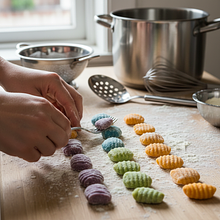
Using a knife or dough scraper, cut the roll into small pieces about 2-2.5 cm long, creating small 'pillows'. Place the cut gnocchi on a tray or board generously sprinkled with flour, ensuring they do not touch each other. Repeat the rolling and cutting process for the remaining colors of dough.
Now we will give the gnocchi their characteristic shape. Take a fork and place it tines down on the countertop. Take each 'pillow' of dough in your fingers and gently slide it over the tines of the fork, pressing lightly with your thumb. The dough should roll, and grooves will form on its surface. Place the finished gnocchi back on the floured tray.
Cooking Gnocchi and Preparing the Sauce
In a large pot, bring at least 4 liters of water to a boil. When the water starts to boil, add a generous tablespoon of salt (about 10g). Carefully drop the gnocchi into the boiling water in batches (not all at once, to avoid lowering the water temperature). Gently stir with a wooden spoon to prevent them from sticking to the bottom. The gnocchi are ready when they float to the surface – this usually takes about 2-3 minutes from the moment the water comes back to a boil. Remove them with a slotted spoon.
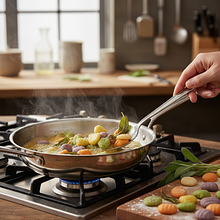
While the first batch of gnocchi is cooking, prepare the sauce. In a large skillet over medium heat, melt the butter. When it starts to foam, add whole sage leaves. Fry, gently shaking the skillet, for about 2-3 minutes. Watch the butter carefully: it will first become clear, then brown specks will appear at the bottom, and the butter will take on an amber color and start to smell nutty. The sage should become crispy. Immediately remove the skillet from the heat to prevent the butter from burning.
If you are using nuts, chop them coarsely. You can add them to the sage butter during the last 30 seconds of cooking to warm them up and release their aroma, or toast them separately in a dry pan until they become fragrant.
Serving the Dish
Cooked gnocchi, scooped out with a slotted spoon, transfer directly from the pot to the pan with hot sage butter. Gently toss or stir to coat each dumpling in the sauce. Leave in the pan for a minute to let the flavors meld.
Immediately plate the gnocchi. Drizzle with the remaining butter from the pan, making sure each serving has crispy sage leaves. Sprinkle with toasted walnuts (if using) and generously dust with freshly grated Parmesan. Serve right away while hot.
Fun Fact
The word 'gnocchi' in Italian means 'lumps' or 'knots', referring to their shape. Although they are associated with potatoes, the oldest versions of gnocchi were made from flour, breadcrumbs, or semolina, and the addition of vegetables such as pumpkin is a tradition in the poorer regions of northern Italy, where pumpkin was readily available.
Best for
Tips
Serve the gnocchi immediately after preparation as a main dish. They pair wonderfully with a simple arugula salad, cherry tomatoes, and a light vinaigrette, which will balance the richness of the buttery sauce. For adults, a glass of light white wine, such as Pinot Grigio, complements the dish well.
Gnocchi taste best when fresh. If you want to prepare them in advance, arrange the formed, raw dumplings on a tray dusted with flour and freeze. Once frozen, transfer them to a ziplock bag. Cook the frozen ones by dropping them straight into boiling water (they will need 1-2 minutes longer). Cooked gnocchi can be stored in the refrigerator for up to 2 days and reheated in a pan with a bit of butter.
📸 Ugotowane przez społeczność
Zaloguj się, aby dodać zdjęcieDodaj zdjęcie gotowej potrawy
Po zatwierdzeniu przez moderatora otrzymasz 10 punktów doświadczenia.
Nikt jeszcze nie dodał zdjęcia. Bądź pierwszy!
Comments (0)
Be the first to comment on this recipe!
Add a comment