Potato
Description
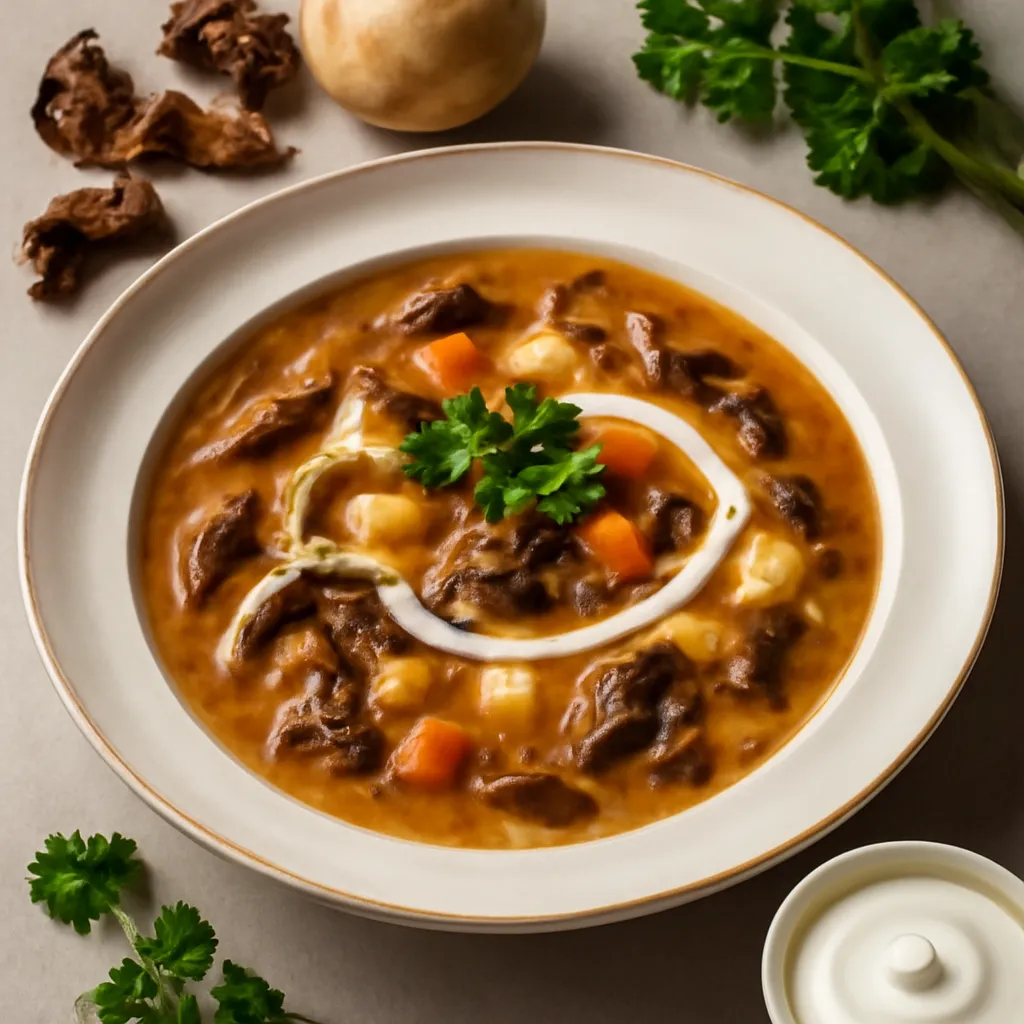
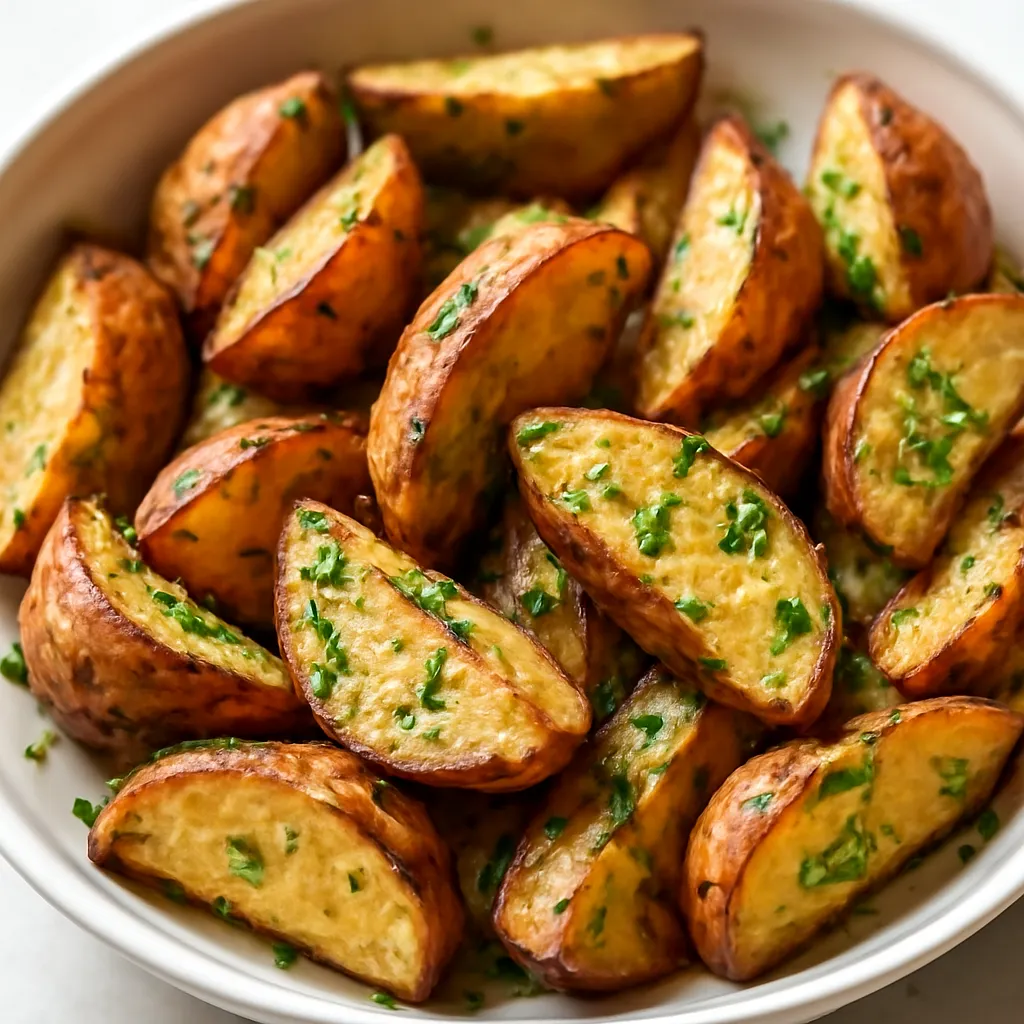
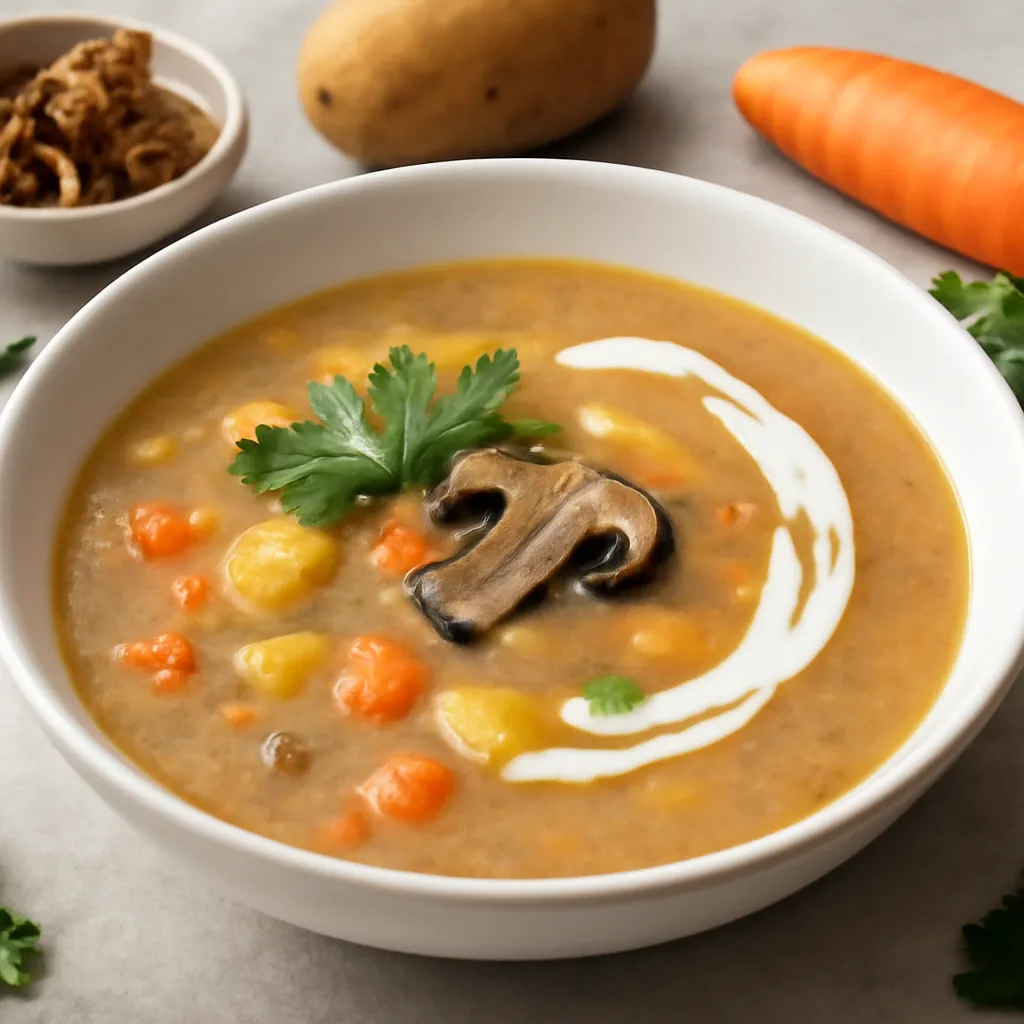
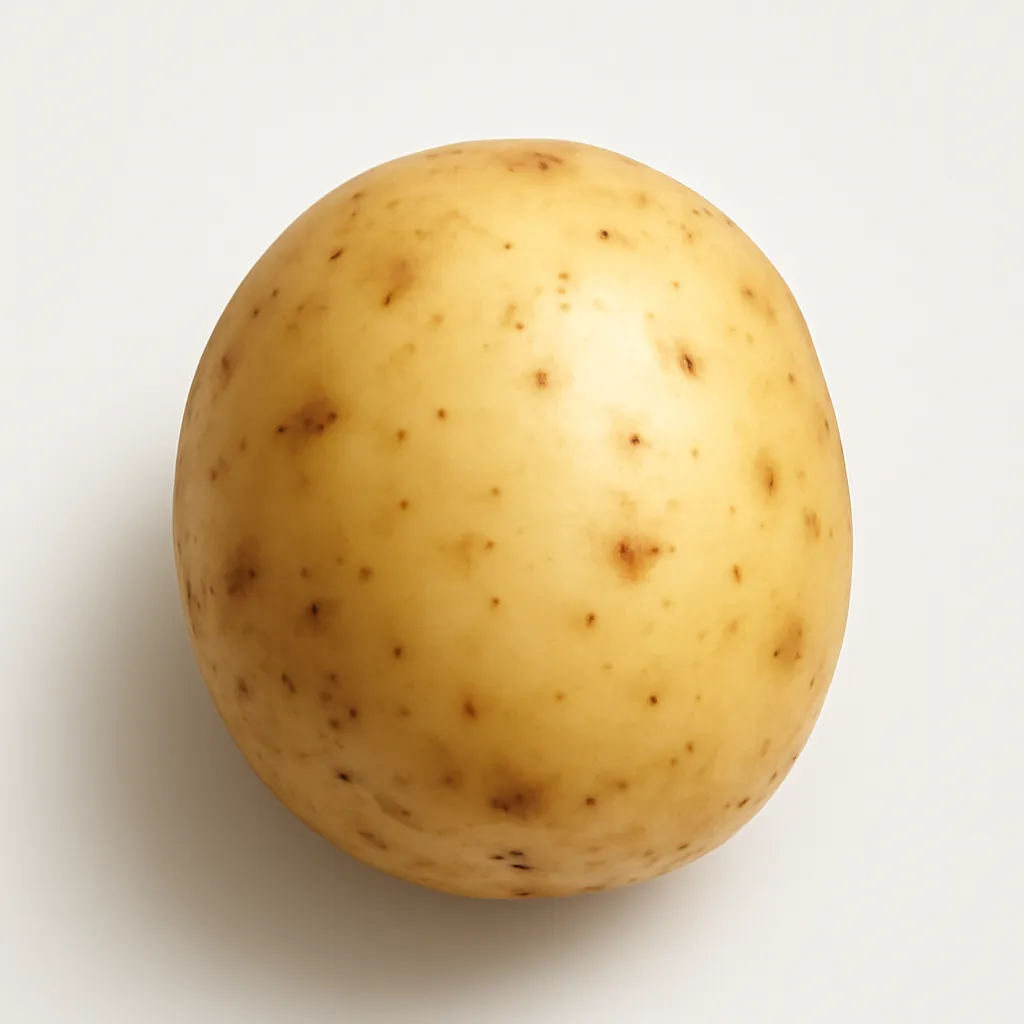
The potato is a versatile tuberous vegetable with a delicate, slightly sweet flavor and a creamy texture when cooked; the skin can be thin or thicker, in shades ranging from light beige to red to purple, while the flesh can be white, yellow, or purple. As a source of carbohydrates, it provides starch as well as vitamin C, vitamin B6, potassium, and fiber—especially when consumed with the skin—contributing to energy replenishment, supporting muscle and nervous system function, and maintaining normal blood pressure; however, it is worth remembering the impact of the cooking method on the glycemic index. In the kitchen, potatoes are suitable for countless roles: they are perfect for boiling, baking, mashing, frying, or roasting, complementing meats, fish, eggs, cheeses, and fresh herbs, and adding substance to soups, salads, and one-pot dishes. They should be stored in a cool, dark, and well-ventilated place, away from moisture and onions; do not place them in the refrigerator, avoid light that causes greening and bitterness, and use them within a few weeks, removing sprouts and green parts.