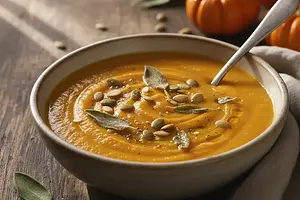
Autumn Pumpkin Pasta with Sage Butter and Parmesan

Pikantne Pasta and Risotto Main Dishes Italian Cuisine 140 min Medium 11 wyświetleń ~20.50 PLN - (0)
Rate:
(0)
Start Cooking

Description

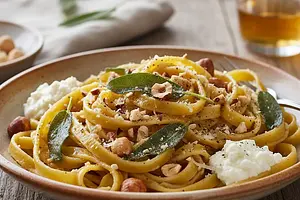
Here is the essence of autumn on a plate – homemade pumpkin pasta that will wrap you in its warmth and extraordinary flavor. In this recipe, roasted pumpkin purée is not just an addition, but an integral part of the dough itself, giving it a beautiful, sunny color, subtle sweetness, and velvety smoothness. This dish, inspired by Italian tradition, is a tribute to seasonal ingredients. Each bite is a combination of delicate, slightly sweet pasta with the rich, nutty aroma of brown butter sage. Crispy sage leaves, toasted walnuts, and the sharp, salty taste of freshly grated Parmesan create a symphony of textures and flavors. It is an elegant dish, yet incredibly simple in its philosophy, perfect for a cozy evening, a romantic dinner, or a lunch that you want to impress your guests with. Making your own pasta from scratch is an incredibly satisfying experience, and this recipe will guide you through it step by step.

Ingredients (11)

Servings:
4
  • Type 00 wheat flour 400 g
  • Purée z dyni hokkaido 200 g
  • Eggs 2 szt.
  • Extra virgin olive oil 0.1 łyżek
  • Butter 80 g
  • Fresh sage 0.5 pęczek
  • Garlic 2 ząbki
  • Parmezan (parmigiano reggiano) 50 g
  • 🌿 Przyprawy
  • Salt 0.1 szczypt
  • ✨ Opcjonalne
  • Walnuts 40 g
  • Pieprz czarny świeżo mielony 2 szczypty
💰 Szacowany koszt dania: ~20.50 PLN (5.13 PLN/porcję)

💡 Kliknij na składnik aby oznaczyć jako użyty

Preparation steps

Preparing pumpkin purée

1

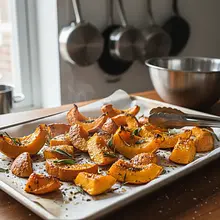
Preheat the oven to 200°C (fan). Wash the Hokkaido pumpkin, cut it in half, and use a spoon to remove the seeds and fibrous flesh. You don't need to peel the skin - it will become soft after baking. Cut the pumpkin into smaller pieces, e.g. into wedges. Place them on a baking sheet lined with parchment paper, skin side down. Bake for about 30-40 minutes, until the flesh is very soft - a fork should go into it with no resistance.

Ingredients: Purée z dyni hokkaido
Use a sharp knife to cut the pumpkin, as it is hard when raw. Roasting instead of boiling concentrates the flavor and prevents the puree from becoming overly watery, which is crucial for the consistency of the cake.
2

Remove the baked pumpkin from the oven and let it cool slightly for about 10 minutes so that it can be touched. Using a spoon, separate the flesh from the skin and transfer it to a blender or food processor. Blend on high speed for 1-2 minutes until you achieve a perfectly smooth, velvety mixture without lumps. Measure out 200g of the purée and set it aside to cool completely. You can use the rest for soup or dessert.

Ingredients: Purée z dyni hokkaido
It is very important that the purée is completely cold before adding it to the dough. Warm purée could 'scald' the eggs and flour, which would negatively affect the structure of the dough. If you don't have a blender, you can pass the pulp through a fine sieve.

Kneading the pasta dough

3

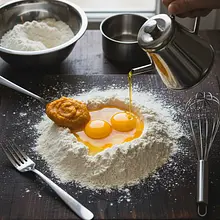
On a clean, large countertop or pastry board, pile 400g of flour to create a mound. In the center of the mound, make a large well with your fingers, resembling a volcano crater. Add 2 pinches of salt into the well. Make sure the 'walls' of the crater are high enough to prevent the liquid ingredients from spilling out.

Ingredients: Type 00 wheat flour, Salt
Working on the countertop is a traditional Italian method that allows you to better 'feel' the dough. If you prefer, you can start mixing the ingredients in a large bowl with a fork, and only then transfer them to the countertop for kneading.
4

Into the well in the flour, crack 2 eggs, add 200g of cooled pumpkin purée and a tablespoon of olive oil. Using a fork, gently beat the liquid ingredients in the center, then gradually, in a circular motion, start to incorporate the flour from the inner walls of the 'crater' into the center. Continue mixing until a thick, sticky dough forms.

Ingredients: Eggs, Purée z dyni hokkaido, Extra virgin olive oil, Type 00 wheat flour
Do this slowly and patiently. The goal is for the liquids to gradually absorb the flour. Don't worry if the mixture looks very uneven at first - that's a normal stage.
5

When the dough becomes too thick to mix with a fork, set it aside and start kneading the dough by hand. Gather the remaining flour into the center, forming a ball. Knead the dough for about 10-15 minutes. Use the palms of your hands to knead it, pushing it away from you, then fold it in half and turn it 90 degrees. Repeat this motion rhythmically. The dough is ready when it becomes smooth, elastic, and springy, and slowly returns to its shape when pressed with a finger. It should also not stick to your hands.

If the dough is too sticky, sprinkle a little flour on the surface. If it is too dry and cracks, dampen your hands with water and continue kneading. Patient kneading is key to developing gluten, which will give the pasta the perfect 'al dente' texture.
6

Form a smooth ball from the dough. Wrap it tightly in plastic wrap or cover it with a damp cloth. Let the dough rest on the countertop at room temperature for at least 30 minutes, preferably for an hour. This time is essential for the gluten in the dough to relax, which will make it much easier to roll out.

Don't skip this step! Trying to roll out the dough immediately after kneading will be very difficult, as it will shrink and resist. Resting works wonders.

Shaping the pasta

7

After resting, unwrap the dough and place it on a lightly floured surface. Divide the dough into 4 equal parts using a bench scraper or knife. Cover the three parts that you are not currently using with plastic wrap or a cloth to prevent them from drying out.

Ingredients: Type 00 wheat flour
Working with smaller portions of dough is much easier and allows for greater control while rolling.
8

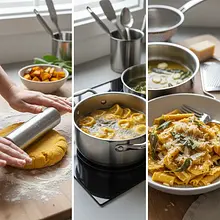
Take one portion of the dough and flatten it with your hand. Start rolling the dough with a rolling pin from the center outwards, regularly turning the dough 90 degrees to achieve an even thickness. Roll until you get a very thin sheet of dough, about 1-2 mm thick (it should be slightly translucent). If you are using a pasta machine, flatten the dough, pass it through the widest setting, fold it into thirds, and repeat 2-3 times. Then gradually decrease the thickness of the rollers, passing the dough each time until you reach the desired thickness.

Ingredients: Type 00 wheat flour
Remember to lightly sprinkle flour on the dough and the countertop while rolling to prevent sticking. However, don't overdo it with the flour, as the pasta will become too tough.
9

Dust the rolled-out sheet of dough generously with flour on both sides. Loosely roll it up into a log. Using a sharp knife, cut the log into strips of desired width: about 1 cm for tagliatelle or 2-3 cm for pappardelle. After cutting, gently unfold each strip with your fingers, creating 'nests'. Place the finished nests on a cloth or tray generously sprinkled with semolina or corn flour to prevent sticking. Repeat the process with the remaining dough.

Ingredients: Type 00 wheat flour
Using semolina or corn flour for dusting is better than wheat flour because it is coarser and does not absorb into the dough as easily, which more effectively prevents sticking.

Cooking and preparing the sauce

10

In a large pot (minimum 5 liters), bring water to a boil. When the water starts to boil vigorously, add a generous handful of salt (about 1 tablespoon for every 3 liters of water). The water should be as salty as the sea. Drop the fresh pasta into the boiling water and gently stir to prevent it from sticking together. Cook for just 2-4 minutes. Fresh pasta cooks very quickly! It will be ready when it floats to the surface and is soft but still slightly firm (al dente).

Ingredients: Salt
Use a really large pot. The pasta needs plenty of space to swim freely, otherwise it will stick together. Do not add oil to the water – it will prevent the sauce from adhering to the pasta.
11

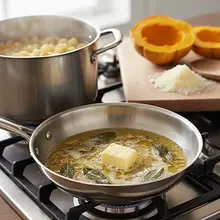
Meanwhile, while the pasta is cooking, prepare the sauce. In a large skillet over medium heat, melt 80g of butter. Once the butter has melted and starts to foam, add whole sage leaves and lightly crushed garlic cloves. Heat, stirring occasionally, for about 3-4 minutes. Watch closely – the butter will begin to brown, and an intense, nutty aroma will fill the kitchen. The sage leaves will become crispy. Remove the skillet from the heat as soon as the butter reaches an amber color. If you are using nuts, you can add them to the skillet now and lightly toast them.

Ingredients: Butter, Fresh sage, Garlic, Walnuts
The key is to watch the butter closely, as it can burn very easily. As soon as the milk solids at the bottom of the pan turn brown and it starts to smell nutty, the sauce is ready. Burnt butter will be bitter and unappetizing.
12

When the pasta is cooked, do not drain it completely. Using tongs or a slotted spoon, transfer it directly from the pot to the pan with sage butter. Keep the pasta cooking water! Add about 1/4 cup (60 ml) of this water to the pan. Toss or stir the pasta in the pan vigorously for about a minute. The starch from the pasta water will combine with the butter, creating a smooth, creamy emulsion that will perfectly coat each strand of pasta.

Pasta water is liquid gold! It’s what makes the sauce smooth and velvety, not greasy. Always keep some on hand in case the sauce is too thick.
13

Immediately distribute the pasta onto warmed plates. Generously sprinkle each portion with freshly grated Parmesan, chopped walnuts (if using), and dust with freshly ground black pepper. Top with a few crispy sage leaves from the pan. Serve right away while hot.

Ingredients: Parmezan (parmigiano reggiano), Walnuts, Pieprz czarny świeżo mielony
Heating the plates (e.g., in an oven set to 50°C) will help the dish maintain its temperature longer and taste even better.

Fun Fact

💡

The inspiration for this dish comes from 'tortelli di zucca' from Lombardy, which are dumplings filled with pumpkin. Our recipe is a simplified, 'deconstructed' version, where the flavor of pumpkin is directly incorporated into the dough, allowing you to enjoy it in a simpler and quicker form.

Best for

Tips

🍽️ Serving

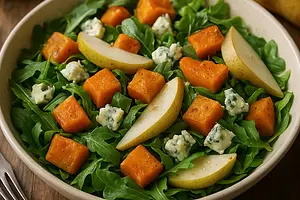
The dish pairs perfectly with a light, dry white wine, such as Pinot Grigio or Soave. To balance the richness of flavors, you can serve a simple arugula salad with a few drops of balsamic vinegar and oil alongside. Serve in deep, warmed plates to keep the heat as long as possible.

🥡 Storage

Raw, uncooked pasta can be stored on a floured tray in the refrigerator for up to 24 hours. It can also be frozen – shape into nests, freeze on a tray, and then transfer to a bag. Cook without thawing, adding 1-2 minutes to the cooking time. The cooked dish is best eaten immediately. Reheated, it loses its ideal texture, but if necessary, reheat in a pan with a little water or butter.

📸 Ugotowane przez społeczność

Zaloguj się, aby dodać zdjęcie
Dodaj zdjęcie gotowej potrawy

Po zatwierdzeniu przez moderatora otrzymasz 10 punktów doświadczenia.

🍲

Nikt jeszcze nie dodał zdjęcia. Bądź pierwszy!

Comments (0)

Be the first to comment on this recipe!

Add a comment

You might also like

Recipe Categories

Pasta and risotto are Italian classics loved by the whole world - creamy, hearty, and delicious. Pasta carbonara, bolognese, puttanesca, arrabiata, and cacio e pepe - sauces with tradition. Fresh homemade pasta: tagliatelle, fettuccine, and ravioli with handmade dough. Meat and vegetarian lasagna...

See all recipes in this category
Main Dishes
Main Dishes in: Christmas Eve Dinner

Main courses are the heart of every meal - hearty, delicious, and full of nutrients. Meats: beef, pork, poultry, and lamb in various versions. Fish and seafood: baked, fried, grilled, and stewed. Vegetarian dishes: tofu, tempeh, legumes as the main protein. Casseroles: pasta, potato, vegetable wi...

See all recipes in this category

Italian cuisine is love at first bite - pasta, pizza, and amore on the plate. Pasta in all shapes: spaghetti, penne, rigatoni, tagliatelle, and lasagna with homemade sauces. Italian sauces: bolognese, carbonara, pomodoro, pesto, and aglio e olio - classics. Neapolitan pizza with a crispy crust an...

See all recipes in this category

Vegetarian cuisine is a wealth of flavors without meat - healthy, colorful, and filling. Plant-based proteins: lentils, chickpeas, beans, peas, and soy take center stage. Cheeses and dairy: feta, halloumi, ricotta, and mascarpone in main dishes. Eggs in various forms: omelets, frittata, shakshuka...

See all recipes in this category
Reklama