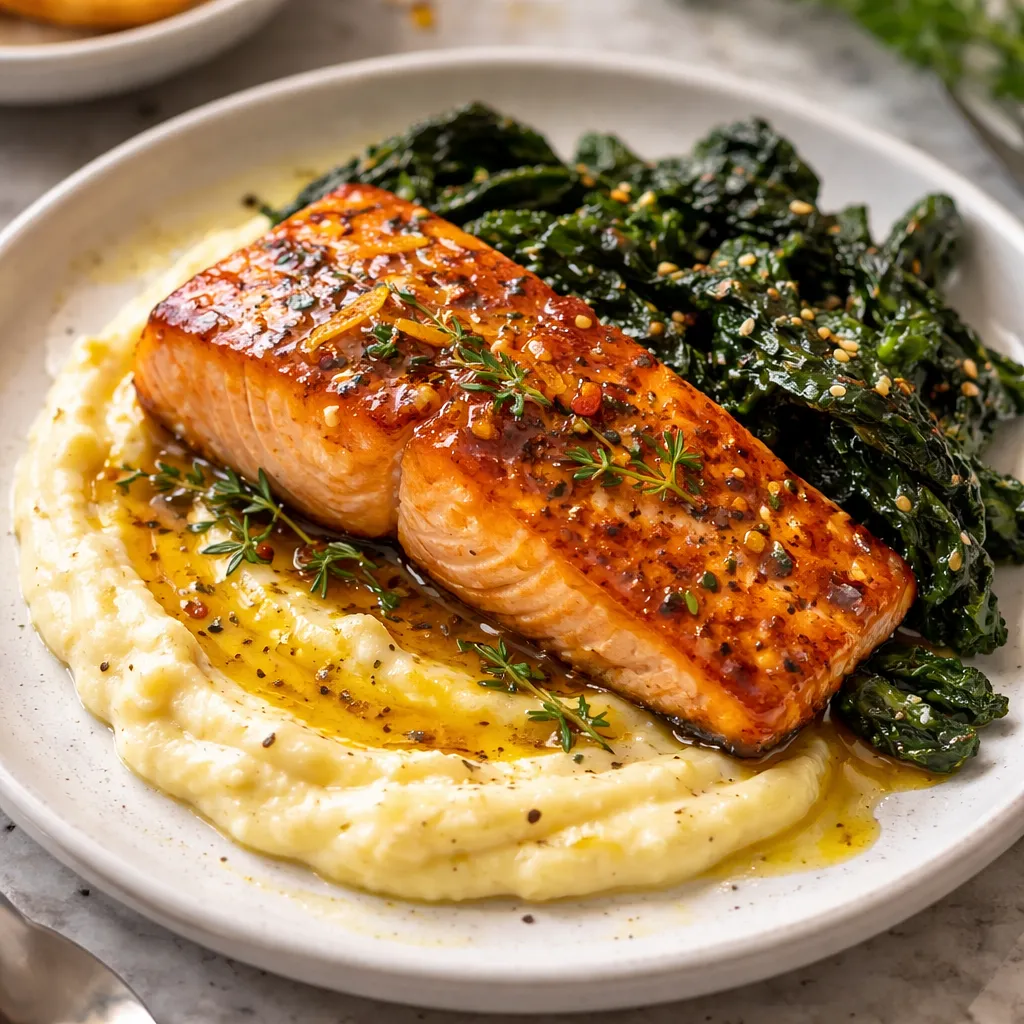
Quick Pan-Seared Salmon with Orange-Honey Glaze, Parsnip Purée, and Crispy Cavolo Nero

Pikantne Main dishes European cuisine 45 min Easy 10 wyświetleń ~64.80 PLN - (0)
Rate:
(0)
Start Cooking

Description

This quick, impressive main dish combines tender, juicy salmon with a shiny, slightly tangy glaze made from orange and honey, along with creamy parsnip puree and slightly crunchy cavolo nero. The dish draws from winter seasonal ingredients: parsnips and dark leafy greens are at their best right now, while oranges add freshness. The flavor composition: the sweetness of honey and orange, the creaminess of parsnip, and the delicate richness of salmon, with a textural contrast from the sautéed cabbage and nuts. Serve on warm plates — it’s perfect for a quick family lunch or an elegant dinner when you want to impress without spending hours in the kitchen.

Ingredients Used

Ingredients (14)

Servings:
4
  • Skinless salmon fillet 600 g
  • Parsnip 400 g
  • Butter 50 g
  • Milk 100 ml
  • Olive oil 30 ml
  • Orange 1.5 szt.
  • Honey 30 ml
  • Dijon mustard 20 g
  • Garlic 2 ząbki
  • Savoy cabbage (cavolo nero) or kale 250 g
  • 🌿 Przyprawy
  • Salt 0.1 szczypt
  • Ground black pepper 2 szczypty
  • ✨ Opcjonalne
  • Fresh thyme (optional) 10 g
  • Walnuts 60 g
💰 Szacowany koszt dania: ~64.80 PLN (16.20 PLN/porcję)

💡 Kliknij na składnik aby oznaczyć jako użyty

Preparation steps

Preparation of ingredients

1

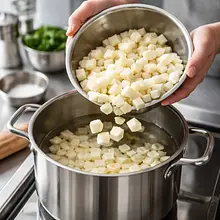
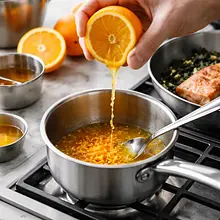
Wash the parsnips, peel them with a vegetable peeler, and cut them into even pieces about 2–3 cm on each side (this will ensure they cook evenly). Wash and dry the cavolo nero, removing the tough stems (run a knife along the stalk). Grate the zest from one orange using a fine grater (only the orange part, not the white), and then squeeze the juice from both oranges into a measuring cup. Peel and finely chop the garlic. Pat the salmon fillets dry with a paper towel and divide them into 4 portions of about 150 g, if necessary.

Ingredients: Parsnip, Savoy cabbage (cavolo nero) or kale, Orange, Garlic, Skinless salmon fillet
Use a cutting board and a sharp knife. For grating the zest, use a fine grater. Drying the salmon is important — a dry surface browns better.
Parsnip puree

2

Place the chopped parsnips in a pot, cover with cold water so that the vegetables are submerged by about 2 cm. Add 2 g of salt (about 2 pinches). Bring to a boil over high heat, then reduce the heat and cook for 15–18 minutes, until the parsnip is very soft — a fork should easily pierce it. Drain thoroughly, reserving some cooking water (about 50 ml) in case the puree is too thick. Transfer the hot parsnip to a bowl or pot, add butter and warm milk, then mash with a potato masher or immersion blender until smooth. Season with salt and pepper to taste. The consistency should be smooth, creamy, and slightly dripping from the spoon.

Ingredients: Parsnip, Butter, Milk, Salt, Ground black pepper
Use a heavy pot with a lid to cook the parsnip. Check for tenderness by piercing a piece with a fork — if it goes through easily, the vegetable is ready. If you don't have a blender, mash thoroughly with a potato masher and beat well to achieve smoothness.

Preparation of cavolo nero

3

In a large skillet, heat 15 g of oil (1 tablespoon) over medium heat. Add half of the chopped garlic (about 5 g) and sauté for 20–30 seconds until fragrant, but not burnt. Add the cavolo nero, sauté for 4–5 minutes, stirring frequently, until the leaves soften while retaining a slight bite (they should be bright green and glossy). Season with 1 g of salt (1 pinch) and a little pepper. Transfer to a plate and keep warm.

Ingredients: Olive oil, Garlic, Savoy cabbage (cavolo nero) or kale, Salt, Ground black pepper
The best pan is 26–28 cm in diameter. Do not use too high heat — burnt garlic will become bitter. If the leaves are very thick, lower the heat and simmer covered for 1–2 minutes.

Orange-Honey Glaze

4

In a small saucepan, combine freshly squeezed orange juice (about 200 g), grated orange zest, honey (30 g), Dijon mustard (20 g), and the remaining finely chopped garlic (5 g). Add 15 g of oil (1 tablespoon) and a pinch of salt (1 g) and pepper (1 g). Heat over low heat for 3–4 minutes, stirring, until the sauce thickens slightly and becomes glossy — do not boil vigorously. The sauce should coat the spoon, creating a slightly sticky film.

Ingredients: Orange, Honey, Dijon mustard, Olive oil, Garlic, Salt, Ground black pepper
Use a small saucepan with a thick bottom to prevent the glaze from burning. If you want a thicker glaze, cook for an additional 1–2 minutes, but be careful not to caramelize the honey too much.

Frying salmon

5

Heat a large, heavy skillet (preferably cast iron or non-stick) over medium-high heat. Add 5 g of oil (about 1/3 tablespoon) and wait until it starts to gently smoke. Season the fillets with salt and pepper on both sides (a total of about 2 g of salt and 1 g of pepper for all portions). Place the fillets in the hot skillet (skin side down). Cook without moving for 3–4 minutes, until the edges become opaque to about 1/3 of the height of the fillet. Carefully flip with a spatula and cook for another 2–3 minutes — the time depends on the thickness of the fillet (about 2.5 cm thick = 3–4 minutes on the other side). The fish is ready when it flakes easily with a fork and the center is dull pink (slightly pink indicates juiciness).

Ingredients: Skinless salmon fillet, Olive oil, Salt, Ground black pepper
Use a wide spatula and do not pierce the fillet with a fork. If the fillet has skin and you are leaving it on, start with the skin side and cook longer on that side to make it crispy. The pan should be well heated, but not on fire.

Finishing the salmon

6

When the salmon is almost ready, lower the heat to low, brush a tablespoon (about 10 g) of the prepared glaze over the surface of each fillet, and leave it in the pan for 30–60 seconds to allow the glaze to caramelize slightly and adhere. Don't leave it too long — the honey can burn. Remove the fillets from the pan and let them rest for 1–2 minutes to stabilize the juices.

Ingredients: Skinless salmon fillet, Honey, Orange, Dijon mustard
Use a kitchen brush to evenly spread the glaze. If you want a stronger shine, gradually add more glaze just before serving.

Nuts (optional)

7

If you are using walnuts, chop them coarsely and toast in a dry pan for 2–3 minutes, until you can smell the aroma and see a slight browning. Be careful not to burn them — stir frequently.

Ingredients: Walnuts
Use a wide skillet and stir the nuts with a wooden spoon. Toasted nuts greatly enhance the flavor and add a textural contrast.

Assembly and serving

8

On a warmed plate, spread a portion of parsnip puree (about 120–150 g per serving) creating a slight indentation. Place the salmon fillet on the puree. Next to it, arrange a portion of sautéed cavolo nero (about 60 g per serving). Drizzle an additional 1–2 teaspoons (about 10–20 g) of glaze over the fish and puree. Sprinkle the top with chopped, toasted nuts and fresh thyme leaves, if using. Serve immediately while everything is warm.

Ingredients: Parsnip, Skinless salmon fillet, Savoy cabbage (cavolo nero) or kale, Honey, Walnuts, Fresh thyme (optional)
Serve on warmed plates — place the plates in an oven preheated to 60°C for 2 minutes or rinse them with hot water and wipe them dry before adding the food. This will help keep the dish warm for longer.

Final tips

9

Taste the dish and optionally season with a pinch of salt or drizzle a few drops of orange juice if you want to enhance the acidity. If you prepare the puree in advance, warm it over low heat with a bit of milk before serving — do not bring to a boil. Salmon tastes best fresh, right after frying.

Ingredients: Parsnip, Skinless salmon fillet, Orange
Do not store the salmon at room temperature for long. If you need to prepare elements in advance, make the puree and cavolo nero ahead of time, and fry the fish just before serving.

Fun Fact

💡

Parsnip was a staple ingredient in European cuisine before the potato became popular — it has a relatively sweet, spicy flavor that pairs well with fish and citrus.

Best for

Tips

🍽️ Serving

Serve the salmon immediately to maintain the crispness of the glaze and the texture of the fish. This dish pairs well with a light, dry white potato or roasted young potato, as well as a glass of chilled, dry white wine (e.g., sauvignon blanc). For a non-alcoholic option: sparkling water with a slice of orange.

🥡 Storage

Store the puree and salmon separately in the refrigerator for up to 24 hours (in closed containers). When reheating, gently warm the fish in the oven at 130–140°C for a few minutes or in a pan over low heat with a lid — this will prevent it from drying out. The glaze can be prepared in advance and reheated before serving.

📸 Ugotowane przez społeczność

Zaloguj się, aby dodać zdjęcie
Dodaj zdjęcie gotowej potrawy

Po zatwierdzeniu przez moderatora otrzymasz 10 punktów doświadczenia.

🍲

Nikt jeszcze nie dodał zdjęcia. Bądź pierwszy!

Comments (0)

Be the first to comment on this recipe!

Add a comment

You might also like

Recipe Categories

Main courses are the heart of every meal - hearty, nutritious, and full of flavor. In this category, we present a rich selection of recipes for lunches and dinners that will satisfy even the most discerning palates. From classic Polish pork chops to aromatic chicken dishes, to exquisite steaks an...

See all recipes in this category

European cuisine is a mosaic of culinary traditions from the Old Continent - from Spain to Scandinavia. Valencian paella and tapas from Spain - sunshine on a plate. Boeuf bourguignon and ratatouille from France - elegance and finesse. Wiener schnitzel and strudel from Austria - Central European c...

See all recipes in this category
Reklama