Take the butter, eggs, and yogurt out of the fridge about 2 hours before you start working, so they reach room temperature. This is crucial for achieving a uniform emulsion and fluffy cake texture. Prepare a bundt pan with a capacity of about 2 liters. Using a pastry brush, thoroughly grease the entire interior of the pan, including the tube and all the nooks and crannies, with a thin layer of soft butter. Then, sprinkle breadcrumbs into the pan and, turning the pan in different directions, evenly distribute them over the greased surface. Shake out the excess breadcrumbs. Preheat the oven to 175°C with the top and bottom heating function.
Description
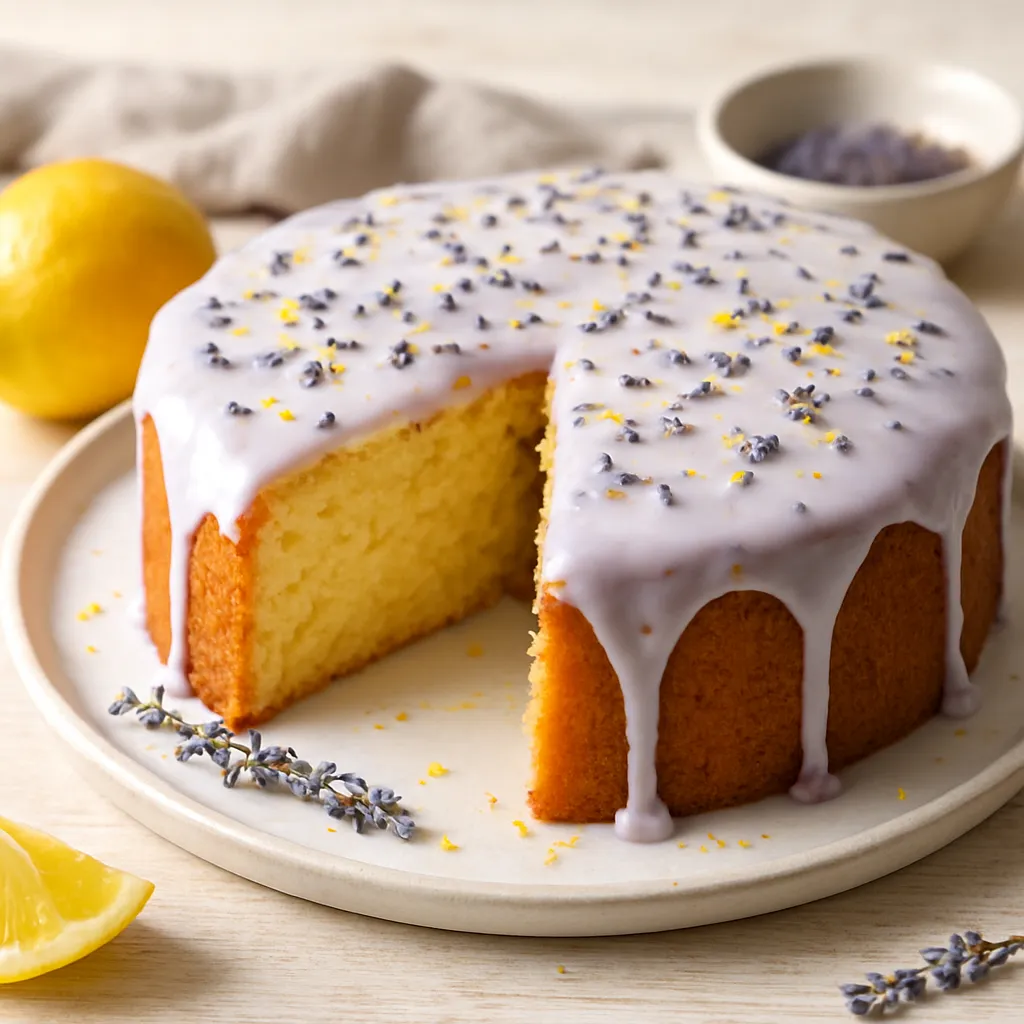
This babka is the essence of spring captured in the form of a fluffy, moist cake. It is a modern interpretation of a classic Polish pastry that graces tables especially during Easter. The secret to its extraordinary lightness lies in the careful aeration of the buttery mixture and the gentle incorporation of the egg white foam, creating a structure reminiscent of a cloud. The intense, natural lemon aroma comes from both freshly grated zest and juice, perfectly balancing the sweetness of the cake. An unexpected yet delightful touch is the glaze with a subtle hint of lavender, which not only looks beautiful but also adds a refined, floral note to the overall flavor. The babka looks stunning on the table – its golden color and shiny, purplish glaze catch the eye. Serve it with afternoon tea or as an elegant dessert for special occasions.
Ingredients (12)
- Mąka pszenna tortowa typ 450 300 g
- Butter 200 g
- Cukier drobny do wypieków 13.3 łyżek
- Eggs 4 szt.
- Lemon 3.8 szt.
- Thick natural yogurt 100 g
- Baking powder 8 g
- Powdered sugar 150 g
- Breadcrumbs 20 g
- 🌿 Przyprawy
- Salt 0.0 szczypt
- Dried edible lavender flowers 0.5 łyżeczka
- ✨ Opcjonalne
- Candied lemon peel 30 g
💡 Kliknij na składnik aby oznaczyć jako użyty
Preparation steps
Preliminary preparation
Preparation of ingredients
In a large bowl, sift the all-purpose flour together with the baking powder. Sifting will not only remove any lumps but will also aerate the flour, contributing to the lightness of the cake. Wash the lemons thoroughly, then scald them with boiling water. Dry them with a paper towel. Grate the zest from both lemons using a fine grater, being careful not to grate the white, bitter part (albedo). Squeeze the juice from both lemons into a small bowl. Very carefully separate the egg whites from the yolks. Place the egg whites in one ideally clean and dry bowl, and the yolks in another.
Butter dough
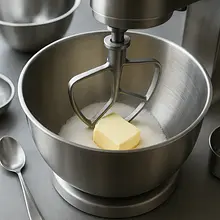
In a large mixing bowl, place the soft butter and fine sugar. Using the paddle attachment, start mixing on medium speed. Beat the mixture for about 8-10 minutes. The finished mixture should be very light, almost white, and very fluffy, and its volume should increase significantly. The sugar must be completely dissolved. Then, without stopping the mixer (reduce the speed to minimum), add the egg yolks one at a time. Only add the next yolk when the previous one is fully incorporated into the mixture. Finally, pour in the grated lemon zest and 2 tablespoons of lemon juice. Mix only until the ingredients are combined.
To the whipped butter mixture, now alternately add the dry ingredients (flour with baking powder) and the wet ingredients (natural yogurt). Start and end with flour. Divide the flour into 3 parts and the yogurt into 2. Add the first part of the flour and mix on the lowest speed just until the ingredients are combined. Then add the first part of the yogurt and mix briefly again. Repeat the process: second part of flour, second part of yogurt, third part of flour. Mixing too long after adding the flour will develop gluten and the dough will be tough.
Egg white foam
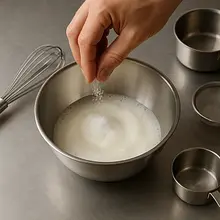
In a clean and dry bowl containing the egg whites, add a pinch of salt. Using clean and dry mixer beaters, start beating the egg whites on low speed. When they begin to foam and turn white, increase the mixer speed to maximum. Beat until the foam becomes very thick, shiny, and stiff. Properly whipped egg whites should not fall out of the bowl when turned upside down. After removing the beaters from the foam, stiff, standing "peaks" should remain on them.
Combining and baking
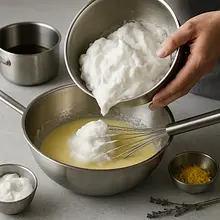
Now comes the most delicate moment. Transfer 1/3 of the whipped egg whites to the bowl with the lemon mixture. Using a large silicone spatula, very gently combine the egg whites with the batter. Make sweeping motions from the bottom of the bowl upwards, while also rotating the bowl. The goal is to lose as little air from the egg whites as possible. Once the first portion of egg whites is roughly incorporated, add the second and repeat the process, then the last. Mix only until there are no visible white streaks of egg whites. The finished batter will be very fluffy.
Gently transfer the prepared batter to the previously prepared pan. Smooth the top with a spatula. Place the pan in the preheated oven (175°C) and bake on the middle rack for about 45-50 minutes. After about 40 minutes, perform the toothpick test – insert a wooden skewer into the thickest part of the cake. If it comes out dry, without traces of raw batter, the cake is ready. If not, bake for another 5-10 minutes and repeat the test.
Cooling
Remove the baked cake from the oven and place the pan on a metal rack. Leave it in the pan for about 15 minutes. During this time, the cake will cool slightly and "breathe," which will make it easier to remove. After this time, carefully turn the pan upside down (using oven mitts) and gently remove it from the cake. Leave the cake on the rack to cool completely, which may take about 1-2 hours. The icing can only be applied to a completely cold cake.
Lavender icing
Prepare the icing. Pour the remaining lemon juice (about 3-4 tablespoons) into a small saucepan and add the dried lavender flowers. Heat over low heat for 2-3 minutes, until the juice starts to smell of lavender. Do not bring to a boil. Remove from heat and let it sit for 10 minutes to allow the flavors to meld. Then strain the juice through a very fine sieve into a clean bowl, pressing the flowers to extract all the aroma. Sift the powdered sugar into the bowl. Gradually, one teaspoon at a time, add the flavored lemon juice, whisking vigorously with a whisk or fork until you achieve a smooth, thick, yet still pourable icing.
Decoration
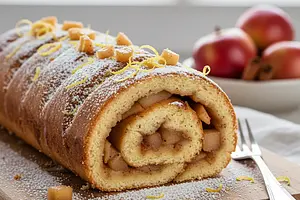
Place the completely cooled cake on a large plate or a piece of parchment paper to make cleanup easier. Drizzle the prepared icing over the cake, allowing it to flow freely down the sides, creating appetizing icicles. Before the icing sets, decorate the top of the cake. If you are using optional ingredients, sprinkle it with candied lemon peel. Leave the cake for about 30 minutes to let the icing harden, and then carefully transfer it to a cake stand.
Fun Fact
The name 'babka' in Polish means 'grandmother'. It is believed that the name of the cake comes from its shape, resembling a wide, pleated skirt once worn by older women in the countryside. It is a traditional Easter bake, symbolizing rebirth and perfection.
Best for
Tips
Serve at room temperature, sliced into thick pieces. It pairs perfectly with a cup of Earl Grey black tea, whose bergamot will enhance the citrus notes of the cake, or with a delicate white tea. For added freshness, it can be served with a dollop of Greek yogurt or a scoop of vanilla ice cream.
Store the cake in an airtight container or under a dome at room temperature for 3-4 days. Thanks to the large amount of butter and yogurt, it retains moisture for a long time. Avoid storing it in the fridge, as it may become hard. It can also be frozen (without icing) tightly wrapped in plastic wrap and aluminum foil for up to 3 months.
📸 Ugotowane przez społeczność
Zaloguj się, aby dodać zdjęcieDodaj zdjęcie gotowej potrawy
Po zatwierdzeniu przez moderatora otrzymasz 10 punktów doświadczenia.
Nikt jeszcze nie dodał zdjęcia. Bądź pierwszy!
Comments (0)
Be the first to comment on this recipe!
Add a comment