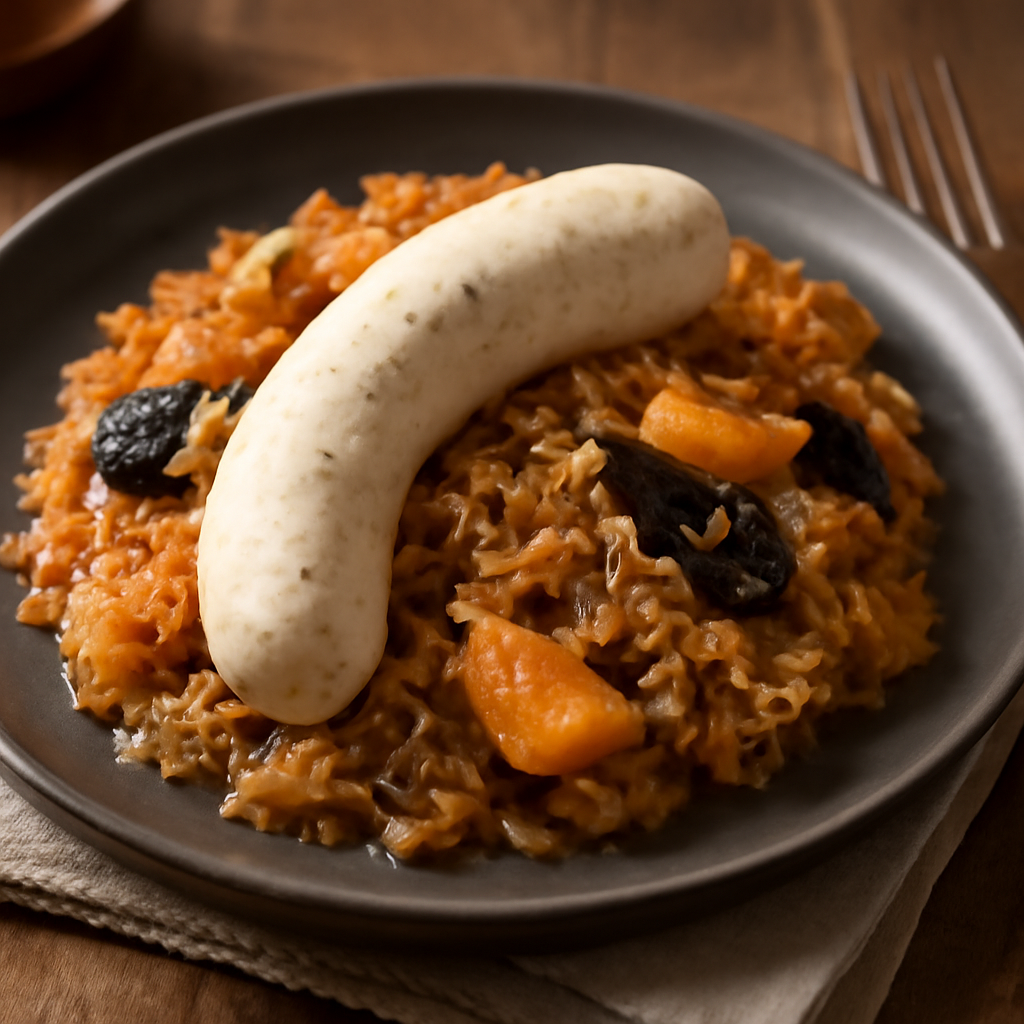
White sausage with stewed sauerkraut (Greater Poland-Silesian version with apple and plum)

Main Dishes Regional Cuisine of Poland Lunches 50 min Easy 12 wyświetleń ~43.06 PLN - (0)
Rate:
(0)
Start Cooking

Description

Traditional Polish white sausage served on aromatic, slightly sweet and sour sauerkraut stewed with apple and carrot — a variation characteristic of Greater Poland and Silesia. The dish combines the richness and juiciness of the sausage with the tangy, soft addition of cabbage, while a slight hint of dried plums and apple balances the flavor, adding depth and warmth. This hearty, warming main dish is perfect for winter lunches and family gatherings. Serve with buckwheat or mashed potatoes; it also pairs well with horseradish and freshly ground pepper. Visually: golden-brown sausage arranged on creamy-yellow (from apple and carrot) cabbage, sprinkled with parsley or marjoram.

Ingredients Used

Ingredients (14)

Servings:
4
  • White sausage 800 g
  • Sauerkraut 800 g
  • Onion 1 szt.
  • Apple 0.8 szt.
  • Carrot 1.3 szt.
  • Butter 30 g
  • Vegetable broth or water 300 ml
  • 🌿 Przyprawy
  • Salt 0.1 szczypt
  • Ground black pepper 2 szczypty
  • Bay leaf 6.7 szt.
  • Allspice 3 g
  • ✨ Opcjonalne
  • Dried plums 50 g
  • Dried marjoram 1 łyżeczka
  • Buckwheat groats (dry) 200 g
💰 Szacowany koszt dania: ~43.06 PLN (10.77 PLN/porcję)

💡 Kliknij na składnik aby oznaczyć jako użyty

Preparation steps

Preparation of ingredients

1

Prepare all the ingredients: peel the onion and chop it into small cubes (about 150 g = 1 piece), peel the apple, remove the core and chop it into small cubes (about 150 g), peel the carrot and grate it on a coarse grater (about 100 g). If you are using dried plums (optional), pour boiling water over them for 5–10 minutes to soften, then drain.

Ingredients: Onion, Apple, Carrot, Dried plums
Use a cutting board and a sharp knife for the apple and onion. A grater for the carrot will make the work easier. If you prefer less sour cabbage, rinse it briefly in a colander under cold water and squeeze it with your hands.
Cooking Sausage

2

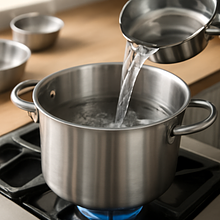
Fill a medium pot with water up to 2/3 of its height (about 1–1.2 l). Place it over medium heat and bring to a gentle simmer. Warning: do not allow it to boil vigorously, as the sausage casings may burst. When the water starts to gently simmer, add the sausage (800 g), 1 bay leaf, and 3 allspice berries. Cook over very low heat for 10–12 minutes — small bubbles should gently caress the sausage, not a violent boil.

Ingredients: White sausage, Vegetable broth or water, Bay leaf, Allspice
Use a medium pot with a lid; set the burner to high until the water boils, then reduce to low. Cooking time depends on the thickness of the sausage — after 12 minutes, gently pierce the skin with a fork; if clear juice flows out, the sausage is ready.

Sautéing the sausage (option for a crispy skin)

3

After parboiling, remove the sausage to a plate and dry it with a paper towel. Heat a large skillet (preferably 26–28 cm) over medium heat, add 10 g of butter and 1 tablespoon of oil or just butter (a total of 30 g of butter used earlier). When the butter starts to foam slightly, place the sausage in the skillet and fry for 2–3 minutes on each side until it develops a golden-brown crust. Do not pierce the sausage while frying to prevent the juices from escaping.

Ingredients: White sausage, Butter
The best is a pan with a thick bottom; frying on too high heat will burn the skin. Use a silicone spatula to gently turn the sausage. If you prefer to skip browning, omit this step.

Stewing sauerkraut

4

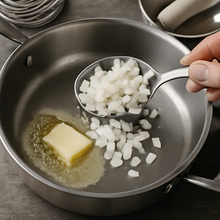
In a wide pot or deep skillet, heat 20 g of butter over medium heat. Add the chopped onion (150 g) and sauté for 4–5 minutes, stirring, until the onion becomes translucent and soft (it should be semi-transparent, not brown). Add the grated carrot (100 g) and sauté for another 2 minutes. Add the sauerkraut (800 g). If the sauerkraut is very sour, rinse and squeeze it beforehand. Pour in the broth or water (300 ml), add 1 bay leaf and 3 allspice berries. If you are using dried plums (50 g), add them now to plump up and release their flavor. Cover and simmer on low heat for 20–25 minutes, stirring occasionally and pressing down with a wooden spoon — the cabbage should become soft, aromatic, and slightly translucent. 5 minutes before the end, taste and season with salt (carefully) and freshly ground pepper. If you want to add marjoram (optional), add it at the end of the cooking.

Ingredients: Sauerkraut, Onion, Carrot, Butter, Vegetable broth or water, Salt, Ground black pepper, Bay leaf, Allspice, Dried plums, Dried marjoram
Use a wide pot with a lid so the cabbage has room to spread out. Stir every 5–7 minutes to prevent the cabbage from sticking. If the sauce is too thin, remove the lid and cook uncovered for a few minutes to allow excess to evaporate.

Assembly and seasoning

5

When the cabbage is soft, add the sautéed or parboiled sausage to the pot with the cabbage (you can place the sausage on top), cover, and simmer together for another 5–7 minutes on low heat — the flavors will meld. Taste, and season with salt and pepper if needed. If the cabbage is too sour, add a teaspoon of sugar (about 5 g) or more grated apple.

Ingredients: White sausage, Sauerkraut, Salt, Ground black pepper
Use tongs or a slotted spoon to transfer the sausage to avoid damaging the casing. Season gradually - it's easier to add salt than to take it away.

Serving

6

On a plate, arrange a portion of stewed cabbage (about 200–250 g per person), on top place one or two sausages (depending on their thickness). Sprinkle a little marjoram on top (if using) and fresh parsley. Serve with buckwheat (cooked according to package instructions) or mashed potatoes and a wedge of lemon or a teaspoon of horseradish on the side.

Ingredients: White sausage, Sauerkraut, Dried marjoram, Buckwheat groats (dry)
Use a wide flat plate with a diameter of 24–28 cm to nicely display the sausage on the cabbage. Additionally, you can serve table mustard with the sausage.

Alternatives and dietary notes

7

If you want a lighter version, use poultry sausage or leaner meat and vegetable oil instead of butter. For a vegan interpretation, replace the sausage with smoked tempeh or mushrooms and increase the amount of dried plums and apple for full flavor.

Ingredients: White sausage, Butter
Note the change in spice proportions when substituting meat — smoked tempeh requires less salt and a different simmering time.

Fun Fact

💡

The dish of white sausage and cabbage has its roots in Central European cuisine; in Poland, sauerkraut was one of the staple winter products due to its vitamin C storage. Dried plums and apples are traditional additions that balance the sour taste of the sauerkraut.

Best for

Tips

🍽️ Serving

Serve hot, directly after seasoning. Add horseradish and stronger mustard to the plate as a contrast. It pairs well with strong, dark bread or with pickled cucumber on the side. If serving with buckwheat, drizzle the buckwheat with a bit of fat from the pan for extra flavor.

🥡 Storage

Store in the refrigerator for up to 2 days in an airtight container. Heat slowly over low heat with a little water or broth to prevent the cabbage from drying out. It is not recommended to freeze the entire dish with sausage (it will lose the sausage's texture); it is better to freeze the portion of cabbage separately.

📸 Ugotowane przez społeczność

Zaloguj się, aby dodać zdjęcie
Dodaj zdjęcie gotowej potrawy

Po zatwierdzeniu przez moderatora otrzymasz 10 punktów doświadczenia.

🍲

Nikt jeszcze nie dodał zdjęcia. Bądź pierwszy!

Comments (0)

Be the first to comment on this recipe!

Add a comment

You might also like

Recipe Categories

Main Dishes
Main Dishes in: Valentine's Day

Exquisite main dishes that will delight with their flavor and aroma, perfect for a romantic dinner.

See all recipes in this category

Traditional recipes from various regions of Poland that showcase the richness of local flavors and ingredients.

See all recipes in this category

Lunches are the main meal of the day - filling, balanced, and full of flavor. Traditional two-course lunches: soup and a main dish in Polish tradition. Pork chop with potatoes and cabbage - a classic of Polish lunches. Dumplings with meat, cheese, and fruit - hand-formed delicacies. Beef goulash,...

See all recipes in this category
Reklama