Preheat the oven to 200°C (top-bottom). Wash the beets thoroughly under running water, trim the ends, and wrap each beet individually in aluminum foil (this will prevent them from drying out). Place the beets on a baking sheet and roast for 50-60 minutes, until they are tender — you can check this by inserting a small knife; it should go in easily. The baking time depends on the size of the beets.
Description
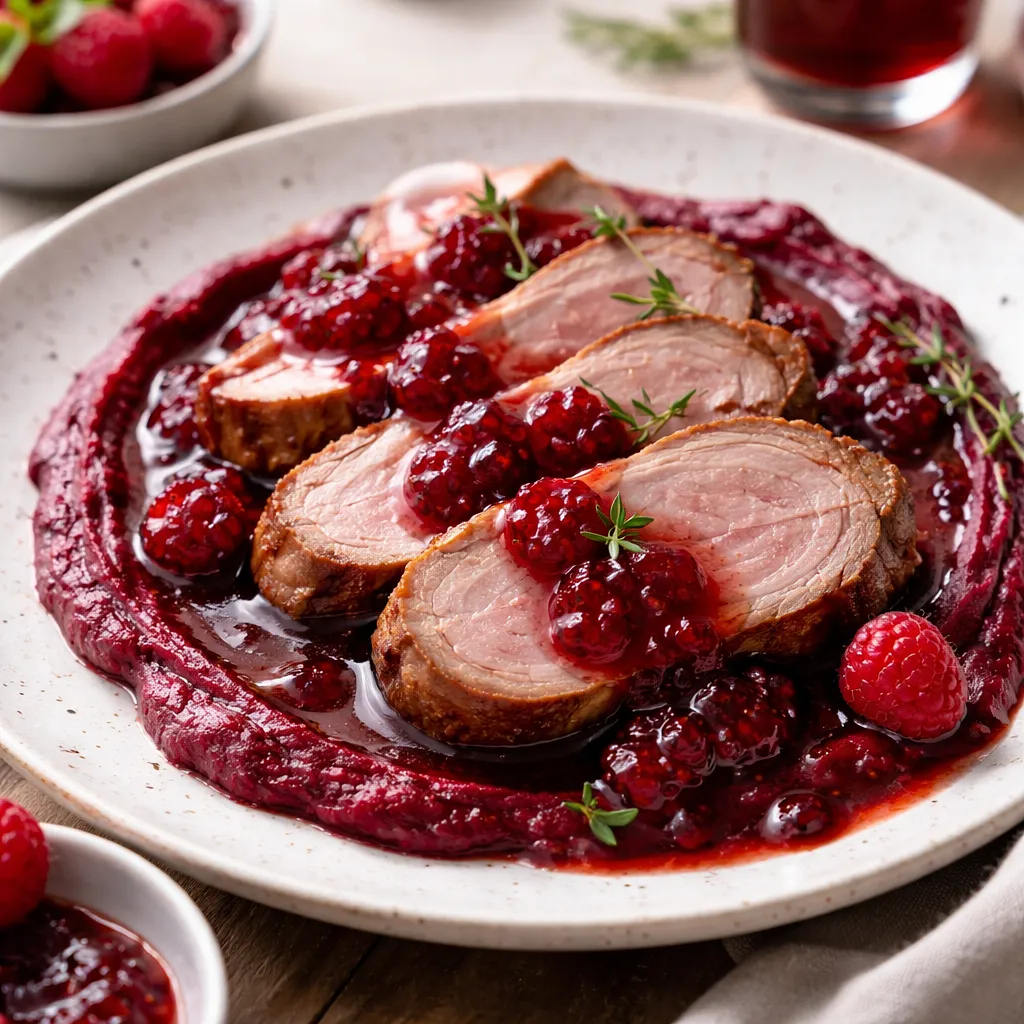
A romantic, seasonal dish composed of juicy pork tenderloins served on a velvety puree of roasted beets and drizzled with a shimmering sauce of red wine and fresh raspberries. The dish combines traditional techniques: roasting vegetables, pureeing, and sauce reduction, creating a striking contrast of colors — the intense red of the beet and the deep ruby of the sauce — making the plate very visually appealing. Flavor-wise, it balances the sweetness of the beet and raspberries with the acidity of the wine and a subtle hint of butter, while the addition of toasted almonds introduces crunch. Perfect for Valentine's Day or a romantic dinner for two; it can be served with a delicate arugula salad or a light red wine.
Ingredients (18)
- Pork tenderloin 600 g
- Raw beets 600 g
- Potatoes 1.3 szt.
- Butter 50 g
- 30% cream 100 ml
- Olive oil 20 ml
- Shallot 80 g
- Garlic 2 ząbki
- Dry red wine 150 ml
- Chicken broth 250 ml
- Fresh raspberries 150 g
- Balsamic vinegar 15 ml
- Fresh thyme 0.1 pęczków
- Cornstarch (corn flour) 1 łyżeczka
- 🌿 Przyprawy
- Salt 0.1 szczypt
- Black pepper 4 szczypty
- ✨ Opcjonalne
- Almond flakes 40 g
- Honey 15 ml
💡 Kliknij na składnik aby oznaczyć jako użyty
Preparation steps
Preparing the beets
After baking, set the beets aside for 10 minutes to cool. Then remove the foil and, when they can be handled (caution — still hot), peel the skin off with a knife or by gently cutting it away with a kitchen knife — the skin should come off easily. Cut the beets into smaller pieces for the blender.
Puree
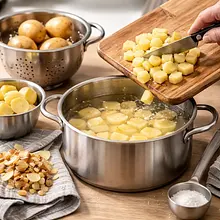
Peel the potatoes, cut them into equal pieces, and place them in a pot with cold, salted water. Bring to a boil and cook for 15-20 minutes, until a fork easily goes into the potato. Drain the potatoes and let them sit for a moment to steam off. Transfer to a blender along with the roasted beets, add 30 g of butter and 50 g of cream. Blend until smooth. If the mixture is too thick, add cream by the tablespoon until you achieve a velvety consistency. Season with 1 g of salt and freshly ground pepper to taste.
Pork Tenderloins
Clean the tenderloin of membranes and excess fat (if any). Cut the long tenderloin into 4 equal pieces (each about 150 g) or into 8 medallions of 75 g each; in this recipe, we will leave the whole pieces of 150 g to make them look nice on the plate. Lightly salt the meat on both sides (about 2 g in total for all pieces) and pepper with freshly ground pepper.
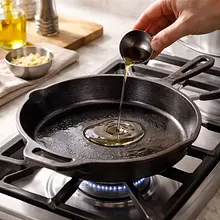
Heat a skillet (preferably cast iron or with a thick bottom) over medium-high heat. Add 10 g of oil. When the oil is hot (it should shimmer slightly), add the tenderloins and fry for 3-4 minutes on each side until a golden crust forms. If the pieces are thicker, lower the heat after the first 3 minutes and fry for another 2-3 minutes. Once cooked, transfer the meat to a cutting board and let it rest for 6-8 minutes — resting allows the juices to redistribute evenly.
Raspberry-Wine Sauce
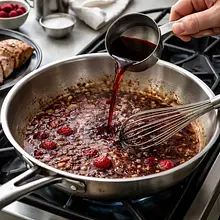
In the same pan (without cleaning — use the flavor from the brown bits), reduce the heat to medium. Add 10 g of oil and an additional 20 g of butter (if needed). Finely chop the shallot and peel/crush the garlic; sauté for 2-3 minutes until the shallot becomes translucent and soft (do not let it brown). Deglaze the pan with red wine — pour in 150 ml and scrape the browned bits from the bottom with a wooden spoon. Cook for 4-6 minutes until the wine reduces by about half and the smell of alcohol disappears.
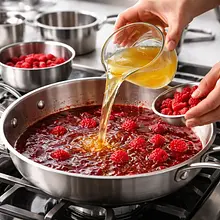
Add 250 ml of broth and 150 g of raspberries to the reduced wine. Cook over medium heat for 6-8 minutes, until the raspberries break down and the liquid takes on a deep color. If you want a very smooth sauce, blend everything with an immersion blender directly in the pan (using short pulses), then strain through a fine sieve into a clean saucepan, pressing with a spoon to achieve a smooth texture. Dare to taste: add 15 g of balsamic vinegar and 3 g of salt, check the balance of flavors.
Check the consistency of the sauce: if it is too thin, dissolve 5 g of cornstarch in 15 g of cold water (the mixture should be smooth), pour it into the hot sauce, and cook for 1-2 minutes, stirring, until the sauce thickens. Finally, turn off the heat and stir in 10 g of cold butter cubes, mixing vigorously to achieve a glossy, velvety emulsion. Additionally, add a few sprigs of fresh thyme (pluck the leaves from the stem). Taste and season with salt and pepper to your liking.
Finishing and toppings
If you are using almond flakes, heat a small dry pan and toast them for 1-2 minutes, shaking the pan until they start to lightly brown and release a nutty aroma. Be careful — they burn quickly. Set aside.
Assembly and serving
On a warmed plate (you can heat it briefly in the oven), spread 1-2 portions of beetroot puree (about 120-150 g per person) with a spoon, creating an oval or flat dollop. Cut the tenderloins into 2 cm slices (if you made whole pieces) or arrange the medallions and place them on the puree. Drizzle evenly with 2-3 tablespoons of raspberry-wine sauce (about 60-80 g of sauce per person). Sprinkle the top with toasted almond flakes (optional) and garnish with a sprig of fresh thyme and a few fresh raspberries, if desired. Serve immediately while the meat is warm and the sauce is glossy.
Final notes
Before serving, check the final seasoning of the sauce and puree — if necessary, add a pinch of salt or a drop of balsamic vinegar to the sauce. Remember that the tenderloins will continue to soften while resting, but they should not be raw inside; the ideal center is gently pink or fully cooked depending on preference (internal temperature ~63°C for a light pink).
Fun Fact
Beets have been used since ancient times as a medicinal and culinary vegetable; when combined with wine and raspberries, they create a sweet and sour composition that enhances the meaty notes of pork.
Best for
Tips
Serve the dish immediately after preparation, when the sauce is still glossy and the meat is warm. You can add a light arugula salad with olive oil and lemon as a side, or serve a glass of dry red wine that was used in the sauce. White or cream plates are best to make the color contrast more pronounced.
Store leftover ingredients separately: sauce in an airtight container in the fridge for up to 2 days, puree in a separate container for up to 2 days, and chilled meat for no longer than 24 hours. To reheat, gently warm the sauce over low heat, and the puree can be refreshed by adding a bit of cream and heating briefly. It's best to reheat meat in the oven at 120°C until it reaches an internal temperature of 50-55°C to avoid drying it out.
📸 Ugotowane przez społeczność
Zaloguj się, aby dodać zdjęcieDodaj zdjęcie gotowej potrawy
Po zatwierdzeniu przez moderatora otrzymasz 10 punktów doświadczenia.
Nikt jeszcze nie dodał zdjęcia. Bądź pierwszy!
Comments (0)
Be the first to comment on this recipe!
Add a comment