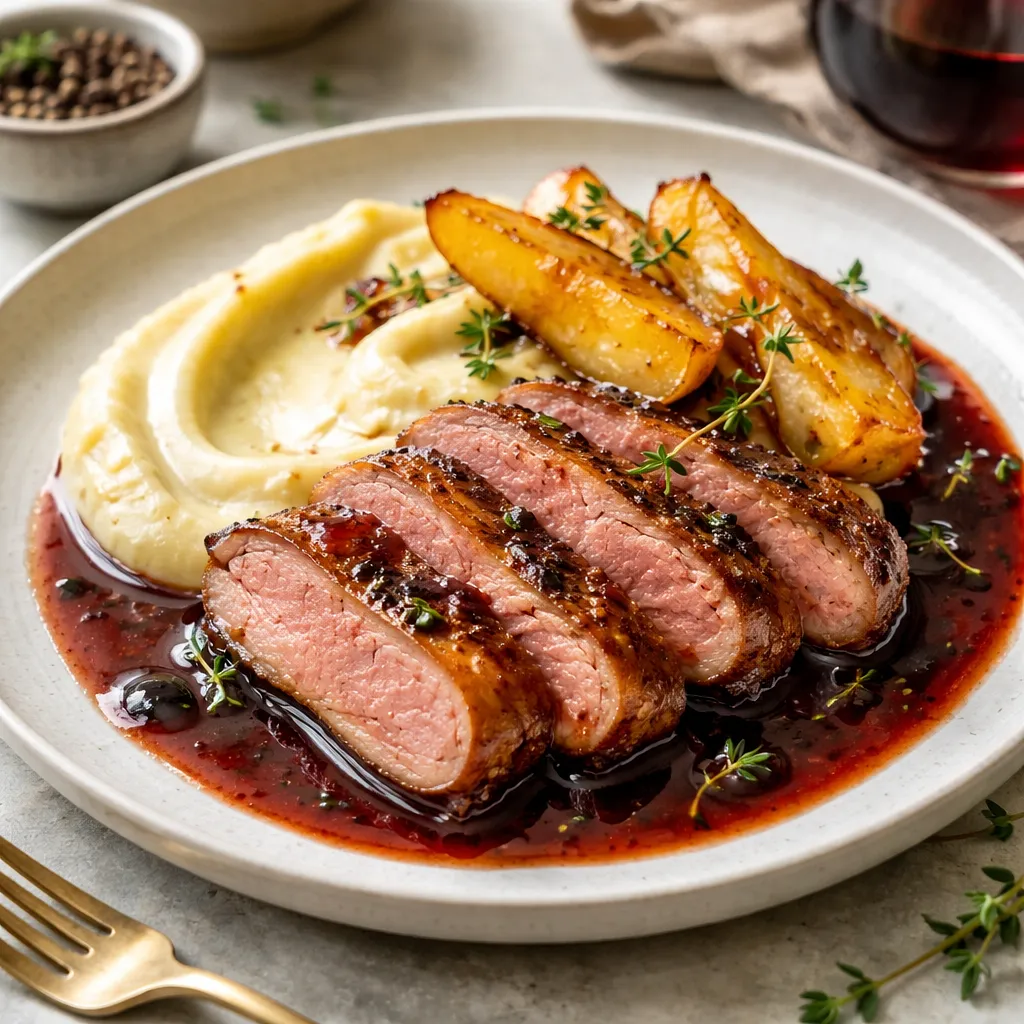
Duck breast in red wine sauce, celery purée, and caramelized pears

Pikantne Dishes for Special Occasions Main dishes 90 min Medium 4 wyświetleń ~61.68 PLN - (0)
Rate:
(0)
Start Cooking

Description

An elegant main dish perfect for special occasions: juicy duck breasts with an intense red wine sauce, velvety celeriac purée, and sweet-and-sour caramelized pears. The dish combines contrasts of flavors and textures — the crispy skin of the duck, creamy purée, and shiny, lightly caramelized fruits — and presents itself exceptionally well on the plate. Inspired by French cuisine and seasonal winter ingredients, it pairs wonderfully with light sautéed vegetables, fondant potatoes, or a glass of dry red wine. This is a proposal that will delight guests with both its taste and appearance, ideal for a holiday dinner, anniversary, or New Year's banquet.

Ingredients Used

Ingredients (19)

Servings:
4
  • Boneless duck breast 800 g
  • Olive oil 30 ml
  • Butter 50 g
  • Shallot (shallots) 2 szt.
  • Garlic 2 ząbki
  • Dry red wine 200 ml
  • Chicken broth 300 ml
  • Fresh thyme 0.1 pęczków
  • Celeriac 500 g
  • Potatoes 1.3 szt.
  • 30% cream 100 ml
  • Milk 50 ml
  • sugar 50 g
  • Pear (medium) 2 szt.
  • Balsamic vinegar 30 ml
  • 🌿 Przyprawy
  • Salt 0.1 szczypt
  • Freshly ground black pepper 2 szczypty
  • ✨ Opcjonalne
  • Pistachios (chopped) 40 g
  • Microgreens (arugula or a mix) 20 g
💰 Szacowany koszt dania: ~61.68 PLN (15.42 PLN/porcję)

💡 Kliknij na składnik aby oznaczyć jako użyty

Preparation steps

Meat preparation

1

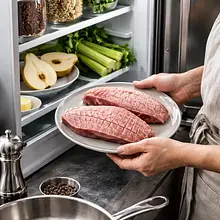
Remove the duck breast from the refrigerator 30 minutes before preparation to reach room temperature. Pat dry with a paper towel. Using a sharp knife, score the skin in a diamond pattern (diagonal cuts every 1 cm), being careful not to cut into the meat — just the skin and fat layer. Rub the skin and meat evenly with salt (about 1 g of salt per 100 g of meat) and freshly ground pepper. Set aside for 10 minutes.

Ingredients: Boneless duck breast, Salt, Freshly ground black pepper
Use a sharp, thin knife to score the skin. Do not cut into the meat — this is to release the fat and achieve better caramelization of the skin. A common mistake: scoring too deeply leads to drying out the meat.
2

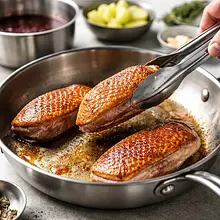
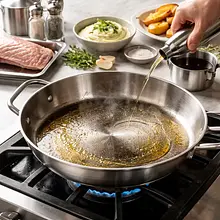
Heat a cast iron skillet or a wide non-stick pan over medium-high heat. Place the breasts skin-side down without adding any fat — the duck fat will render. Cook for 8-10 minutes, gently pressing with a spoon to ensure the skin stays in contact — the skin should become nicely browned and crispy, and collect the rendered fat in a bowl.

Ingredients: Boneless duck breast, Olive oil
The best pan is 26-28 cm in diameter. Use a wooden spatula to occasionally drain excess fat. Do not pierce the meat with a fork, as it will lose its juices.
3

After browning the skin, turn the breasts over and fry for another 3-4 minutes on the meat side, until they reach an internal temperature of 58-60°C for a pink center. If you don't have a thermometer, check the firmness: the meat should be springy but not tough. Transfer the breasts to a cutting board and loosely cover with foil — let rest for 8-10 minutes for the juices to redistribute evenly.

Ingredients: Boneless duck breast
If you don't have a kitchen thermometer, use the touch method: your finger on the meat should be springy like the middle part of your palm below the thumb. Don't cut immediately — resting is key.

Sauce

4

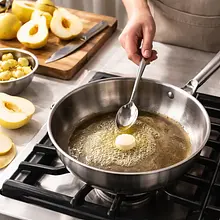
Leave 1-2 tablespoons of rendered fat in the pan (pour the rest into a jar — you will use it later). In that pan, over medium heat, add butter (30 g). Once it melts, add finely chopped shallot (60 g) and sauté for 3-4 minutes until it softens and becomes translucent. Add finely chopped garlic (10 g) and sauté for 30 seconds, being careful not to burn it.

Ingredients: Butter, Shallot (shallots), Garlic
Use the same pan after the duck — the flavors from the rendered fat will enrich the sauce. It's best to use a wooden spoon or a silicone spatula. Do not brown the shallots too much — the sauce will become bitter.
5

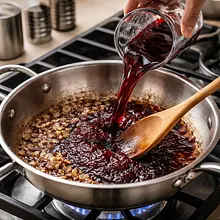
Pour in the red wine (200 ml) and increase the heat to medium-high. Scrape the browned bits from the bottom of the pan with a wooden spoon (deglazing). Cook for 4-6 minutes, until the volume of the wine is reduced by half and the alcohol partially evaporates — the sauce will become more concentrated.

Ingredients: Dry red wine
Use a dry wine that you would drink yourself — this will ensure the best flavor. Foam and bubbles during reduction are normal.
6

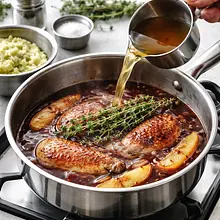
Add chicken broth (300 ml) and 3 sprigs of fresh thyme (leave 1 sprig for decoration). Cook over medium heat for 8-10 minutes, until the sauce reduces and thickens slightly. Finally, strain the sauce through a fine sieve into a clean saucepan, removing the thyme and any residue. Add the remaining 20 g of butter and whisk vigorously until the sauce is smooth and glossy. Season to taste with salt and pepper.

Ingredients: Chicken broth, Fresh thyme, Butter
Use a small sieve to make the sauce clear. If the sauce is too thin, cook it longer; if it's too thick, you can thin it out with a bit of broth. Mistake: do not add cold butter straight from the fridge — add it in pieces to emulsify.

Celeriac Purée

7

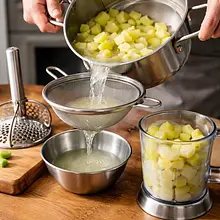
Peel the celery (500 g) and potatoes (200 g) and cut them into even cubes of about 2-3 cm. Place them in a pot and cover with cold water so that the water is 1-2 cm above the vegetables. Add 1 g of salt. Bring to a boil, reduce the heat, and cook for 15-20 minutes until the vegetables are very soft (check with a fork — it should go in without resistance).

Ingredients: Celeriac, Potatoes, Salt
The best pot is one with a thick bottom for even cooking. Make sure the pieces are of similar size — otherwise, the tenderness will be uneven.
8

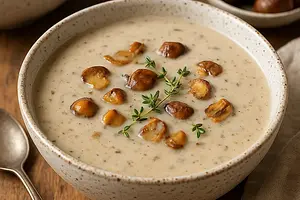
Drain the vegetables, reserving some of the cooking water (about 50 ml). Transfer to a blender or use a masher/purée machine. Add the cream (100 ml), 30 g of butter (from the remaining 50 g), and milk (50 ml) and blend until smooth. Season to taste with salt and pepper. The purée should have a velvety yet firm consistency — add more milk if you want it looser.

Ingredients: 30% cream, Milk, Butter, Celeriac, Potatoes, Salt, Freshly ground black pepper
Use an immersion blender or a countertop blender for a very smooth purée. If the purée is too watery, simmer it for a moment over low heat.

Caramelized pears

9

Peel the pears (300 g), cut them in half and remove the seeds. In a medium skillet, melt 20 g of butter, add sugar (50 g) and caramelize until golden for 2-3 minutes, stirring. Add the pears cut side up and fry for 2-3 minutes on each side until they get color. Pour in balsamic vinegar (30 ml), reduce the heat and glaze the pears for 1-2 minutes — they should have a shiny, slightly thick glaze.

Ingredients: Pear (medium), sugar, Butter, Balsamic vinegar
Be careful not to burn the sugar — caramelization happens quickly. If the sugar starts to darken, lower the heat. Additionally, you can add a bit of cinnamon or orange zest for flavor (optional).

Assembly and serving

10

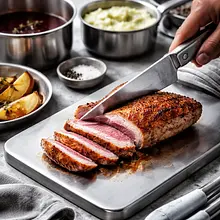
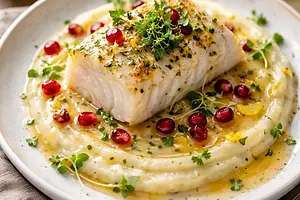
Slice the rested duck breasts diagonally into pieces about 1 cm thick. On a warmed plate, place 2-3 tablespoons of celery purée as a base, then arrange 3-4 slices of duck slightly overlapping, skin side up. Next to it, place 2 halves of caramelized pear. Drizzle the meat with a small amount of warm red wine sauce — do not flood the purée. Garnish with a sprig of thyme and sprinkle with chopped pistachios (optional) and microgreens.

Ingredients: Boneless duck breast, Pear (medium), Pistachios (chopped), Microgreens (arugula or a mix), Fresh thyme, Butter
Use wide, flat plates with a white or dark surface to contrast the colors. Arrange the ingredients neatly — an elegant appearance requires care in presentation.

Final tips

11

Serve the dish hot. If you are preparing it in advance, keep the sauce in a warm pot over very low heat, and the purée covered. The duck tastes best right after the meat has rested, when the juices are evenly distributed.

Do not store sliced duck any longer — it will lose its juiciness. A common mistake is pouring cold sauce, which lowers the temperature of the meat.

Fun Fact

💡

Duck in French cuisine has been associated with fruits (e.g., orange or cherry) for centuries — the sweet and sour contrast perfectly balances the richness of the meat. Serving it with caramelized fruits has a long tradition in European and Asian kitchens.

Best for

Tips

🍽️ Serving

Serve with a glass of dry red wine (e.g. Pinot Noir or Merlot). For the full effect, serve on warmed plates. You can add delicate seasonal vegetables (glazed carrots, asparagus in season) or fondant potatoes.

🥡 Storage

Leftovers can be stored in the fridge for up to 2 days separately (meat, sauce, purée). Reheat gently: meat in the oven at 120°C for a few minutes covered with foil, purée on low heat with a bit of cream, sauce slowly on low heat. Do not freeze sliced, already cooked duck — it loses its texture and flavor.

📸 Ugotowane przez społeczność

Zaloguj się, aby dodać zdjęcie
Dodaj zdjęcie gotowej potrawy

Po zatwierdzeniu przez moderatora otrzymasz 10 punktów doświadczenia.

🍲

Nikt jeszcze nie dodał zdjęcia. Bądź pierwszy!

Comments (0)

Be the first to comment on this recipe!

Add a comment

You might also like

Recipe Categories

Dishes for special occasions are culinary masterpieces for birthdays, anniversaries, and holidays. Grilled beef steak with herb butter - restaurant quality at home. Beef Wellington - beef in puff pastry with duxelles. Roast duck with apples - a holiday tradition in a new edition. Pink salmon with...

See all recipes in this category

Main courses are the heart of every meal - hearty, nutritious, and full of flavor. In this category, we present a rich selection of recipes for lunches and dinners that will satisfy even the most discerning palates. From classic Polish pork chops to aromatic chicken dishes, to exquisite steaks an...

See all recipes in this category
Reklama